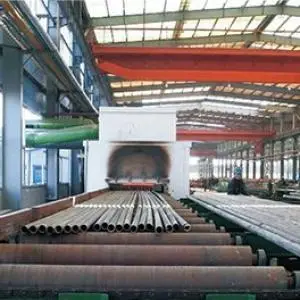
1.Differences in Core Composition
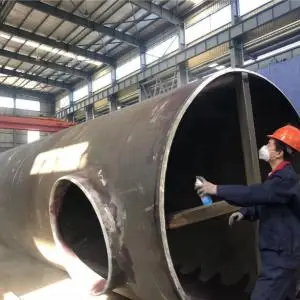
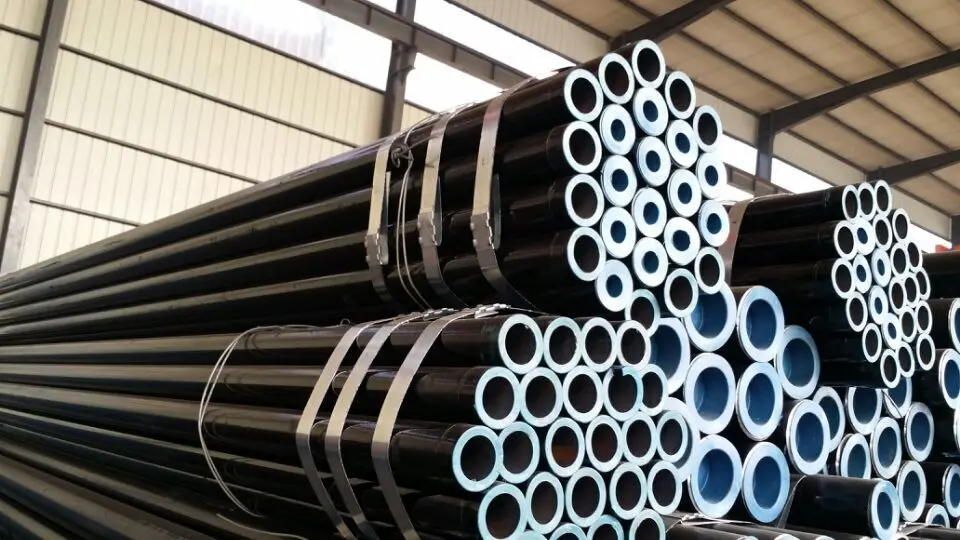
Alloy Steel Pipes: Based on carbon steel, these pipes incorporate alloying elements such as chromium, molybdenum, titanium, nickel, and vanadium; however, the total content of these elements typically does not exceed 5%.
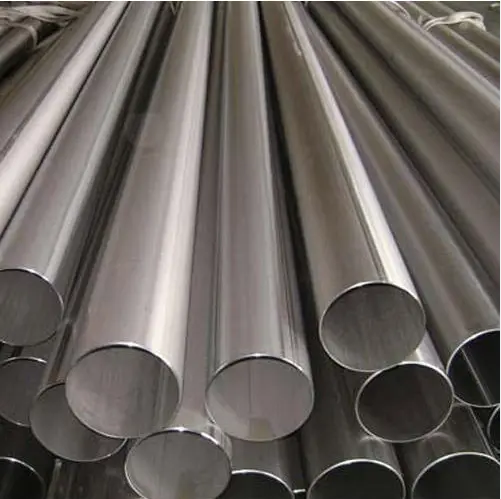
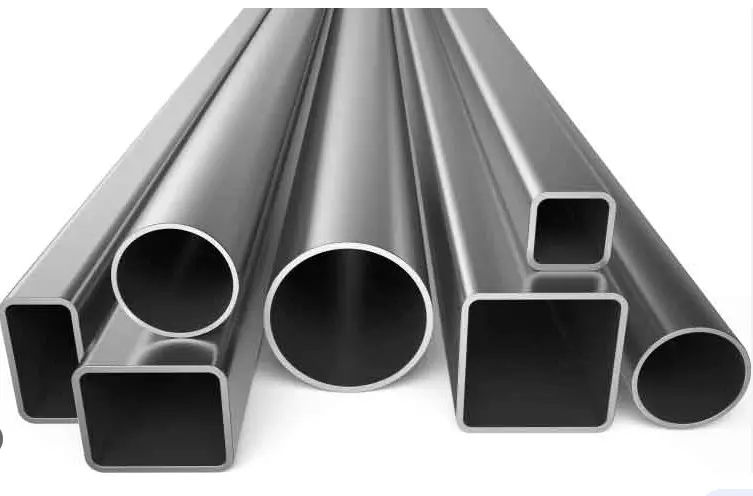
Stainless Steel Pipes: These must contain at least 10.5% chromium and often include additional elements like nickel and molybdenum; they are classified as high-alloy steels.
2.Differences in Primary Characteristics
Alloy Steel Pipes: Their core advantage lies in high strength, as well as excellent resistance to high temperatures and high pressures, making them suitable for use in extreme operating conditions.
Stainless Steel Pipes: Their core advantage is exceptional corrosion resistance, combined with a smooth, aesthetically pleasing surface that is highly resistant to rusting.
3.Differences in Mechanical Properties
Alloy Steel Pipes: Possess very high tensile strength, ranging from 758 to 1882 MPa. They also exhibit high hardness and excellent resistance to impact and fatigue.
Stainless Steel Pipes: Generally have lower strength and hardness, with a tensile strength typically ranging from 515 to 827 MPa. However, they possess superior toughness (or ductility), making them easier to fabricate into various shapes.
4.Differences in Corrosion Resistance
Alloy Steel Pipes: Generally exhibit moderate corrosion resistance, the specific level of which depends on the content of elements such as chromium. In humid or corrosive environments, they remain susceptible to rusting.
Stainless Steel Pipes: Possess excellent corrosion resistance. Their surface is protected by a dense chromium oxide passivation layer, which effectively resists corrosion from various media, including acids, alkalis, and salts.
5.Differences in Magnetic Properties
Alloy Steel Pipes: Typically possess magnetic properties and can be attracted by a magnet.
Stainless Steel Pipes: The most common types encountered in daily life—such as austenitic stainless steels like 304 and 316—are typically non-magnetic or exhibit only very weak magnetic properties.
6.Differences in Cost
Alloy Steel Pipes: Generally less expensive; however, the price varies depending on the specific alloying elements added. Specialized alloy pipes designed for high-temperature and high-pressure environments can be extremely expensive.
Stainless Steel Pipes: Generally carry a higher upfront cost. However, due to their exceptionally long service life and low maintenance requirements, they may prove to be the more cost-effective choice when considering the total cost over the entire lifecycle.
7.Difference in Primary use
Alloy Steel Pipes: Primarily used in power plant boilers, nuclear power stations, high-temperature pipelines within the petrochemical industry, as well as structural components for aerospace vehicles, among other applications.
Stainless Steel Pipes: Primarily used in food and medical equipment, chemical plant piping, architectural decoration (such as handrails and railings), kitchenware, and water supply systems, among other applications.