Distinctions in the Application of Carbon Steel Pipes and Alloy Steel Pipes
Date:2026-09-15
The distinction between carbon steel pipes and alloy steel pipes in terms of application centers on service temperature, pressure, and the corrosiveness of the medium.
1. Key Thresholds: Temperature and Pressure
The "watershed" between the two lies roughly at 427°C (800°F).
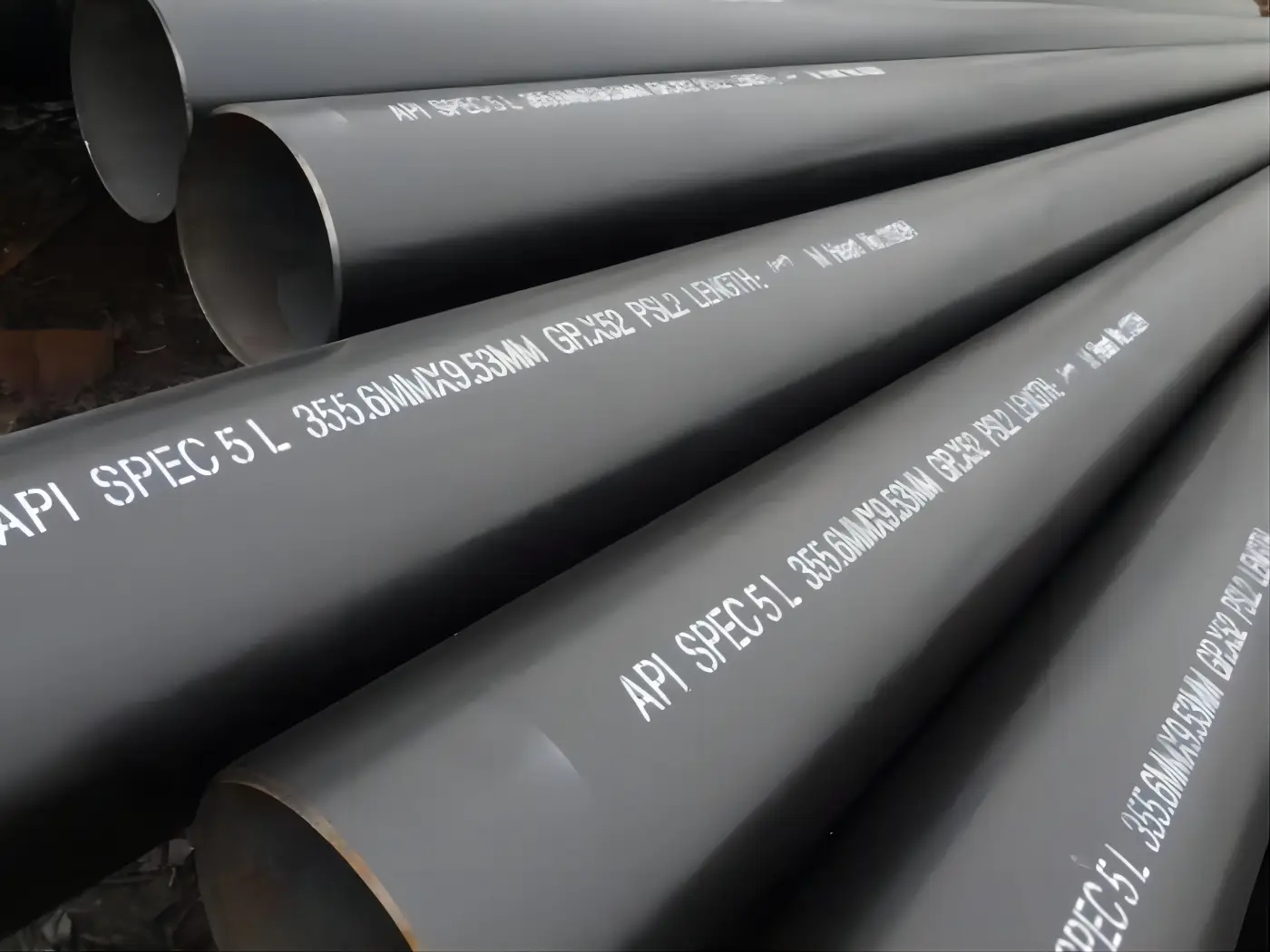
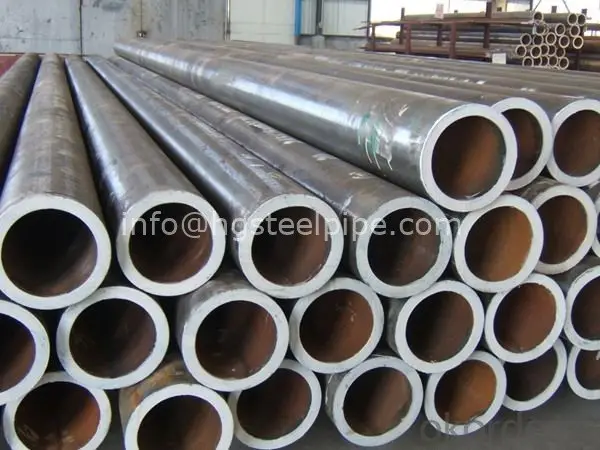
Carbon Steel Pipes: These offer stable mechanical properties at ambient and low-to-moderate temperatures and represent the most economical choice. However, if exposed to temperatures above 427°C for extended periods, carbon steel rapidly loses strength due to graphitization and creep, and undergoes severe oxidation (scaling). Consequently, the upper limit for continuous service temperature for standard carbon steel pipes (such as ASTM A106 Gr.B) is typically 427°C.
Alloy Steel Pipes: Through the addition of elements such as chromium (Cr) and molybdenum (Mo), these pipes possess the ability to resist high-temperature softening and oxidation. For instance, 1.25Cr-0.5Mo (P11) can be used up to approximately 510°C, and 2.25Cr-1Mo (P22) up to about 565°C, while the more advanced 9Cr-1Mo-V (P91) can withstand temperatures as high as 593°C. Additionally, alloy steels generally exhibit higher room-temperature yield strength than carbon steels, allowing them to withstand higher internal pressures.
2. Corrosion Resistance
Carbon Steel Pipes: These do not possess inherent, specialized corrosion resistance. When exposed to corrosive media, they typically require increased wall thickness (corrosion allowance) or external coatings to mitigate damage; otherwise, they are highly susceptible to rust and corrosion.
Alloy Steel Pipes: These offer improved corrosion resistance. Chromium significantly enhances resistance to oxidation and sulfidation at high temperatures (such as in the sulfur-rich environments of oil refineries). However, it should be noted that low-alloy steels (chromium-molybdenum steels) primarily resist high-temperature chemical corrosion; their resistance to corrosion from acids, alkalis, or saline solutions at ambient temperatures is far inferior to that of stainless steel.
3. Typical Application Scenarios
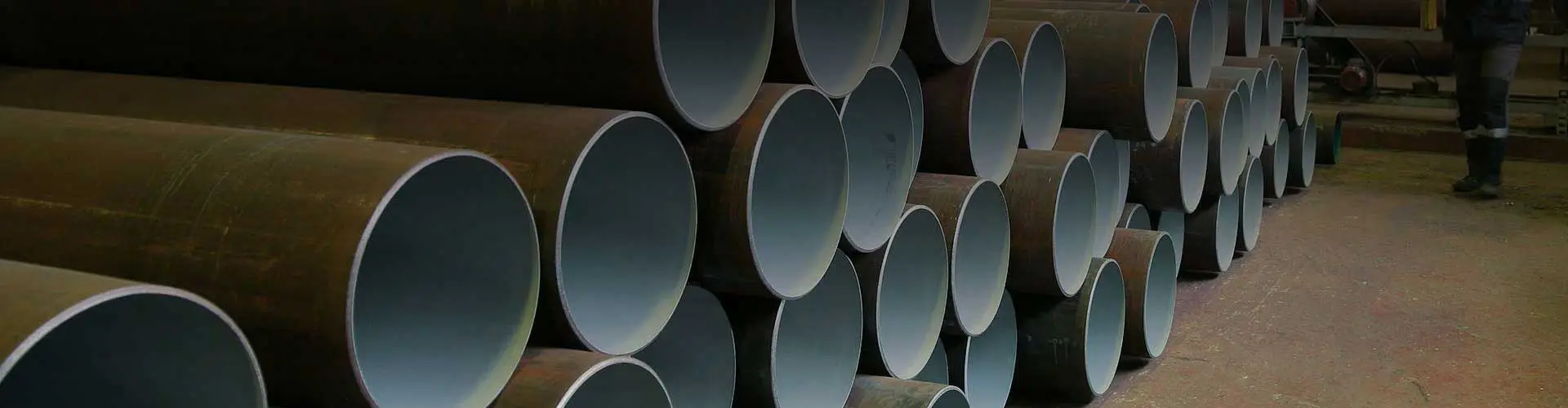
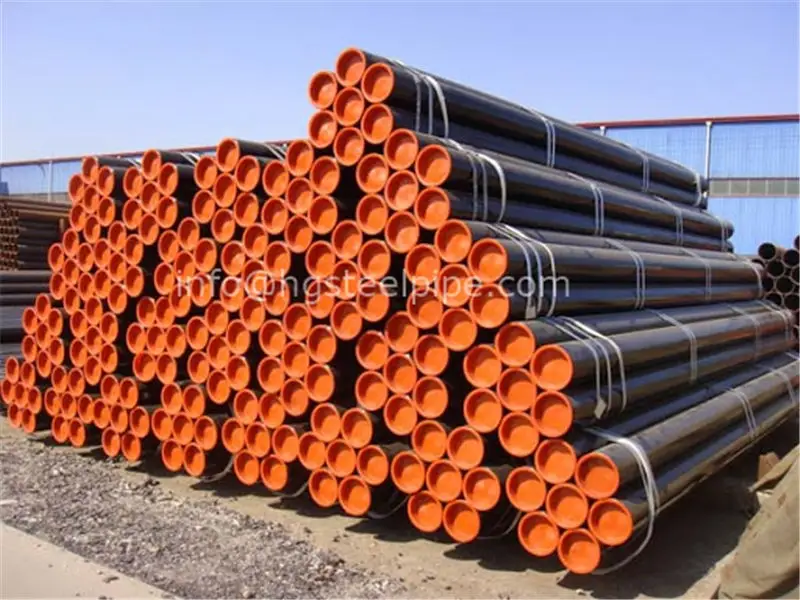
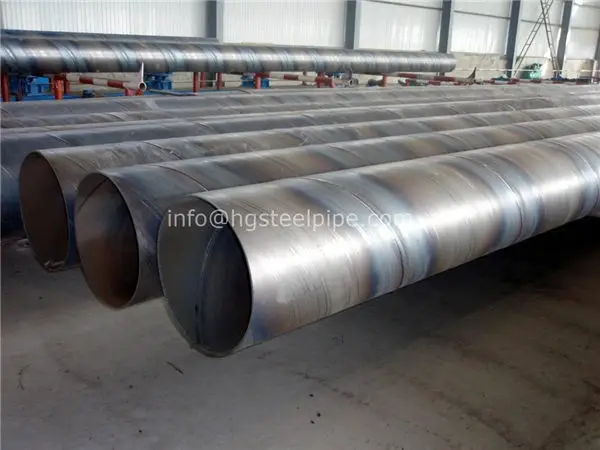
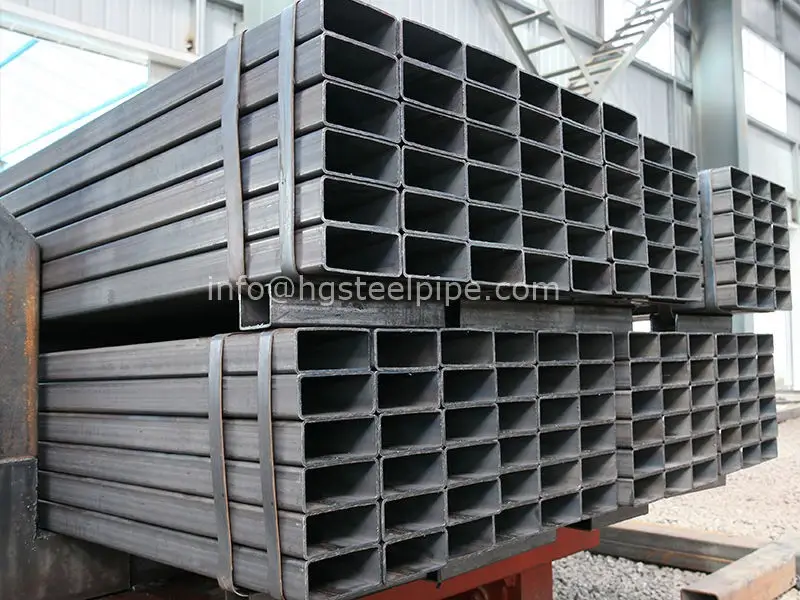
Carbon Steel Pipes: The most common "all-rounder." Widely used in low-pressure piping for conveying water, air, steam, oil, and gas, as well as in mechanical structural components, automotive drive shafts, scaffolding, and more.
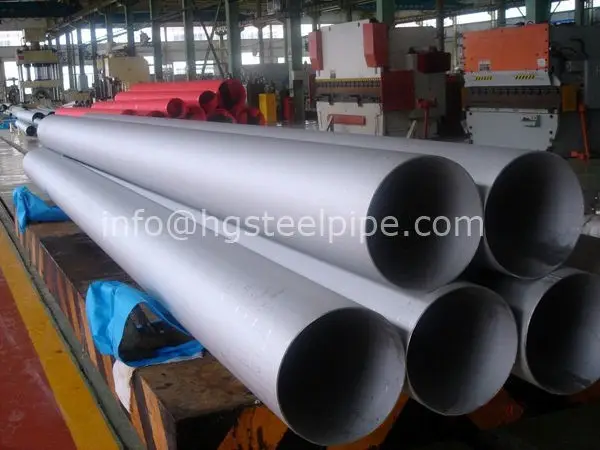
Alloy steel pipes: Used in demanding, high-tech, and specialized operating conditions. Typical applications include high-pressure boilers (superheaters and reheaters) in thermal and nuclear power plants, high-temperature and high-pressure piping in petroleum refining (such as hydroprocessing reactor lines), and high-strength mechanical components.
4. Welding and Processing
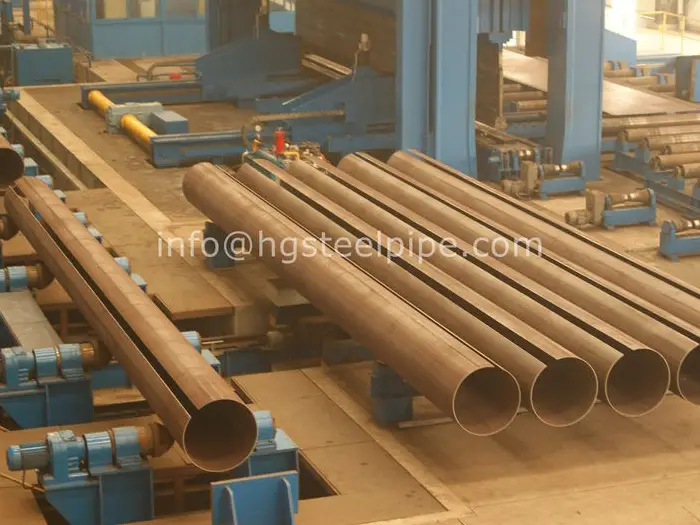
Carbon steel pipes: Exhibit excellent welding performance; standard welding procedures are usually sufficient. Thin-walled pipes do not require preheating, and post-weld heat treatment is generally unnecessary.
Alloy steel pipes: Welding requirements are far more stringent. To prevent cold cracking, preheating (e.g., 150–300°C) is typically required, and post-weld heat treatment (PWHT) is mandatory to relieve stress and soften the heat-affected zone; this entails higher costs and greater technical complexity.