Introduction to Steel Pipe Pickling
Date:2026-08-14
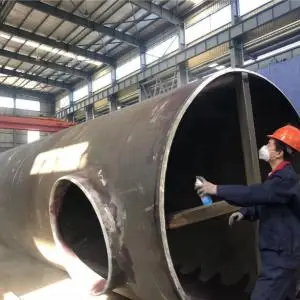
Simply put, steel pipe pickling is the process of cleaning steel pipes with an acid solution to remove surface impurities such as oxide scale (the black oxide layer formed during high-temperature forging), rust, and oil, exposing a clean and bright metal surface. This process is crucial for subsequent processing and the lifespan of the steel pipe.
1. Why Pickle? Main Purpose
Surface Cleaning: Thoroughly removes rust and oxide scale from the steel pipe surface, which is essential for subsequent processes (such as cold drawing, painting, and galvanizing).
Coating Preparation: Creating a clean surface significantly improves the adhesion of subsequent coatings or rust-preventive oils.
Auxiliary Processing: For precision seamless steel pipes, phosphating and saponification are often performed after pickling for lubrication, facilitating cold drawing.
Improved Corrosion Resistance: Some processes involve passivation after pickling, forming a protective film on the surface, which improves the short-term rust resistance of the steel pipe.
2. Commonly Used Pickling Solutions
In industry, hydrochloric acid and sulfuric acid are the most commonly used, each with its own characteristics:
Hydrochloric acid: Used at room temperature (20%-80% volume concentration), it provides good cleaning results and is less likely to cause "over-corrosion" and "hydrogen embrittlement" of steel pipes.
Sulfuric acid: Usually requires heating (40℃-70℃) and uses a lower concentration (5%-20% volume concentration). It has a fast reaction rate, but requires more precise operational control.
To prevent the acid from excessively corroding the steel pipe itself while removing oxide scale, an additive called a corrosion inhibitor is usually added to the pickling solution.