Introduction to the EU CBAM
Date:2026-06-09
The EU Carbon Border Adjustment Mechanism (CBAM) is currently one of the most influential climate policy instruments in global trade. Simply put, it is the world's first levy on the carbon emissions of imported goods, designed to prevent "carbon leakage"—a phenomenon where EU companies relocate production to regions with laxer climate policies to avoid high carbon costs.
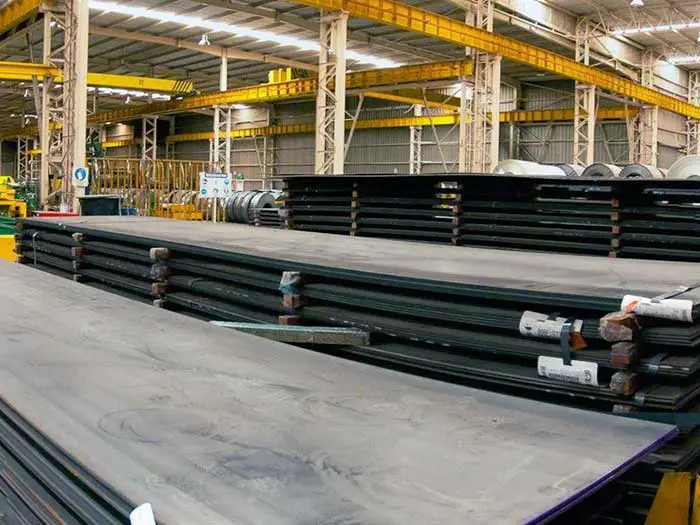
The mechanism entered its full implementation phase on January 1, 2026, directly affecting six major sectors: iron and steel, aluminum, cement, fertilizers, electricity, and hydrogen. For companies exporting these products to the EU, CBAM has shifted from a "long-term risk" to monitor into a "day-to-day compliance cost" that must be managed.
Impact on and Response Strategies for Chinese Exporting Enterprises
Although China is not the primary target of the EU CBAM (neighboring countries like Turkey and Ukraine are more heavily affected in traditional high-risk sectors such as steel and cement), as one of the EU's largest trading partners, Chinese exporters in these sectors still face significant cost and compliance pressures.
Cost Impact: Estimates suggest that for Chinese steel products exported to the EU, the cost of CBAM certificates could account for 8%–10% of the product's value. For low-margin commodities, this directly erodes price competitiveness.
Compliance Requirements: Starting October 1, 2026, importers must provide proof of origin regarding the "melting and casting" location to prevent tariff circumvention via third countries. This means Chinese exporters must provide downstream customers with verified carbon emission reports that meet EU standards.
Recommended Response Strategies: Companies should immediately take action in the following three areas:
Data Assessment and Calculation: Calculate the embedded emissions of products using the methodology required by the EU (primarily referencing EU Commission Implementing Regulation 2023/1776). This is the first step toward compliance.
Supply Chain Decarbonization: The essence of CBAM is the internalization of carbon costs. Investing in low-carbon technologies, improving energy efficiency, and utilizing green electricity are fundamental ways to reduce certificate costs and maintain product competitiveness.
Monitoring Policy Developments: CBAM remains subject to ongoing adjustments. For example, the EU plans to assess in 2025 whether to extend the scope to organic chemicals and plastic products, and the rules regarding the inclusion of their indirect emissions may also be clarified by the end of 2026.