Different
pipe fittings employ different connection methods. The choice depends primarily on the pipe material, pressure, and construction environment.
Threaded Connection: Connection is made by tightening the thread at the end of the pipe fitting. Installation and disassembly are convenient, and it is commonly used for small-diameter (DN8 to DN150) low-pressure pipelines, such as household water pipes.
Welded Connection: The pipe fitting and pipe are fused together by welding. The connection is very strong and has good sealing performance, widely used in high-pressure, high-temperature industrial pipelines.
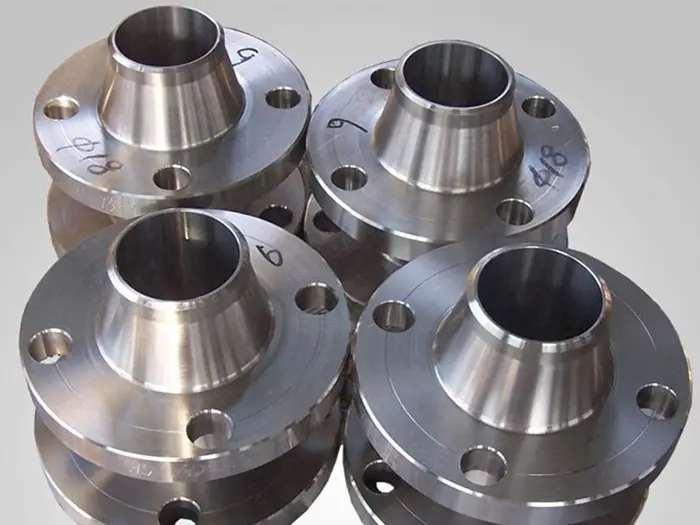
Flanged Connection: A disc-shaped flange is attached to the end of the pipe fitting. Two flanges are tightly connected by bolts, with a gasket used for sealing. This connection method offers high strength and easy disassembly, and is commonly used for connections in equipment requiring frequent maintenance, such as valve and pump inlets and outlets.
Grooved Connection (Clamp Connection): A groove is pressed into the end of the pipe, and then a clamp-type
pipe fitting is used to clamp the two pipes together. This connection method is fast and simple to install, and is widely used in fire protection and air conditioning water systems.
Socket connection: One end of a pipe (the spigot) is inserted into the flared end (the socket) of another pipe or fitting, and then sealed with filler or adhesive. Commonly used for cast iron drainage pipes, concrete pipes, and PVC water supply pipes.
Heat fusion/adhesive connection: Primarily used for plastic pipes. Heat fusion fuses the pipe and fitting together through heating, such as with PPR water pipes in home decoration; adhesive connection uses specialized adhesives, such as with PVC drainage pipes.