Special Requirements for Mechanical Tubing
Date:2026-09-18
1. Precision and Dimensional Control
Mechanical tubing often undergoes subsequent processing such as turning, grinding, and bending; therefore, requirements for dimensional precision and shape tolerances are much stricter than those for standard fluid-conveyance piping.
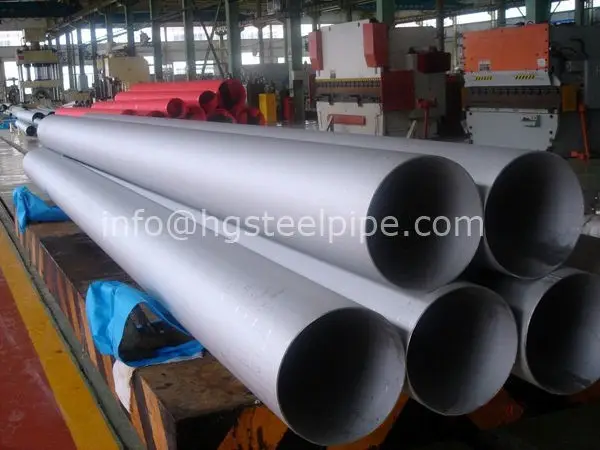
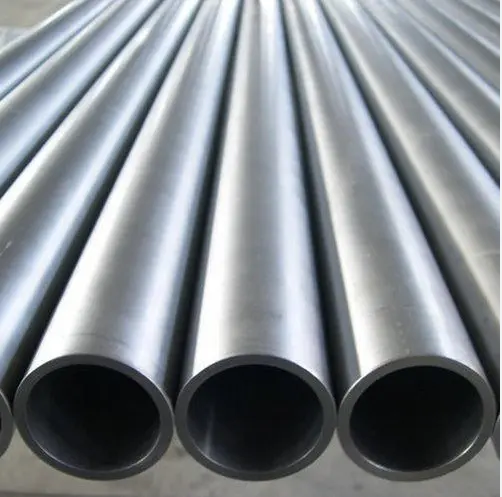
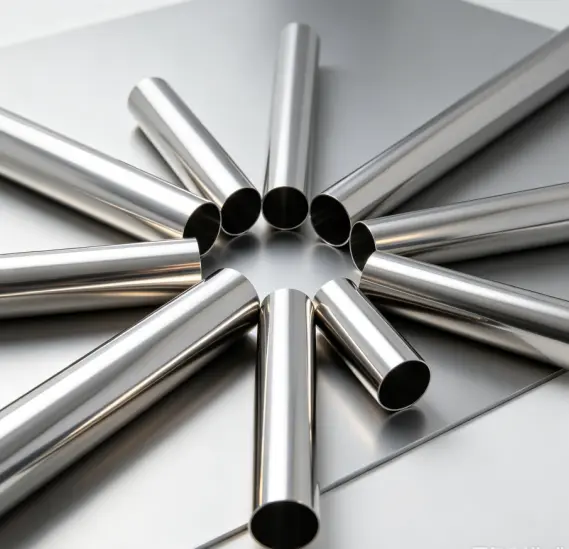
High Dimensional Precision: Taking stainless steel seamless tubing for precision instruments as an example, standards clearly specify ranges and permissible deviations for outer diameter and wall thickness. Additionally, straightness requirements are included to ensure precise fit during assembly.
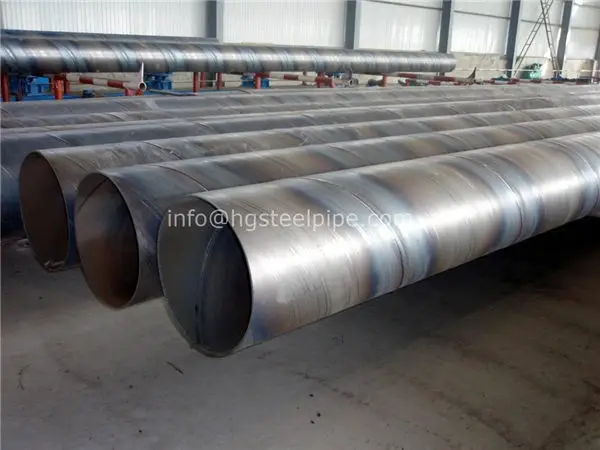
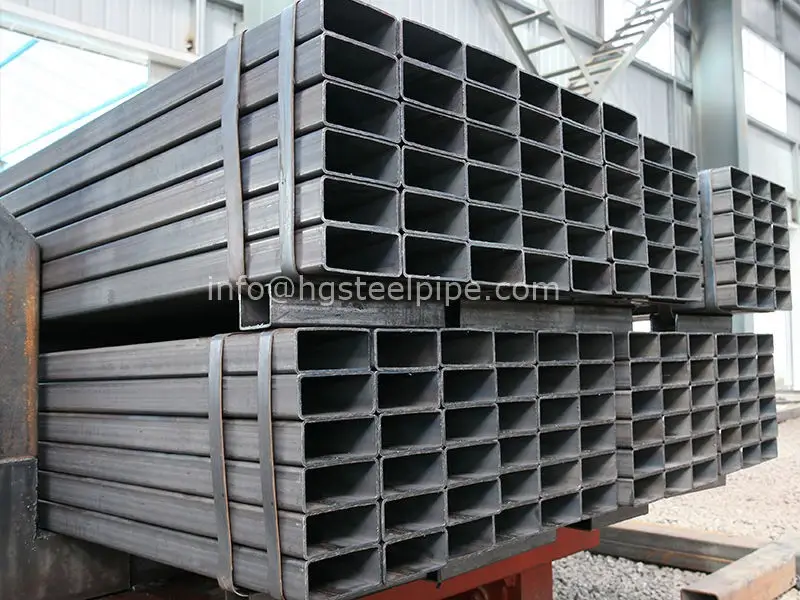
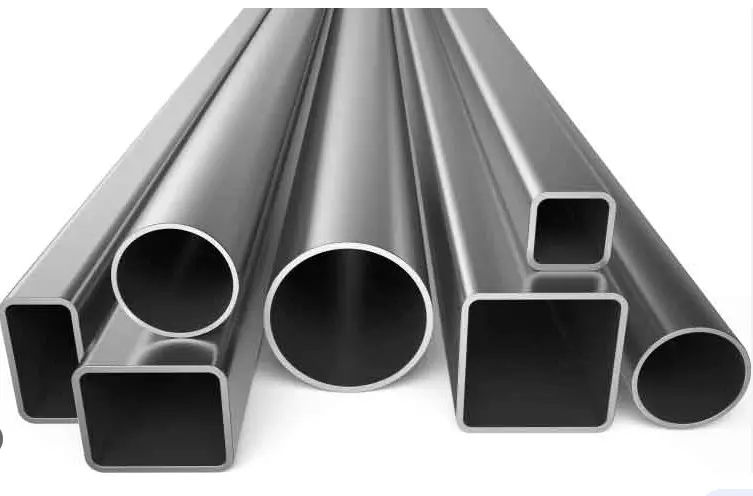
Strict Geometric Tolerances: Revisions to standards for stainless steel welded tubing used in mechanical structures have introduced specific regulations regarding out-of-roundness to meet the need for consistent cross-sectional shapes in structural components.
Fixed Lengths and Length Control: Machining operations typically require supply in fixed lengths or multiple lengths to minimize material waste. Standards also specify the standard delivery lengths for the tubing.
Mechanical tubing must withstand specific loads or possess specific processing characteristics; consequently, there are clear requirements regarding strength, hardness, and delivery condition.
Strength Grades and Condition Selection: Standards for stainless steel seamless tubing for precision instruments categorize delivery conditions into soft (solution-annealed), half-hard, and hard states; the hard state, for instance, requires a tensile strength of no less than 850 MPa. Users can select the appropriate condition based on requirements for subsequent cold bending, flaring, or direct application.
Verification of Processing Performance: To ensure the tubing does not crack during subsequent processing (such as flaring, flattening, or bending), standards often mandate performance tests such as flaring, flattening, or bending tests.
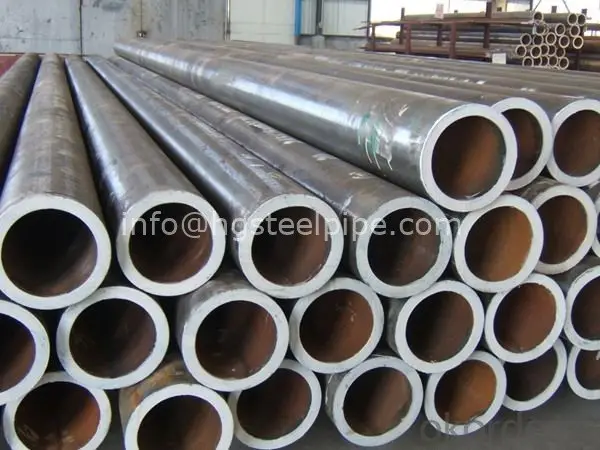
Microstructure and Heat Treatment: For certain stainless steel mechanical tubes, austenitic grades are required to be supplied in an annealed condition to ensure toughness and workability. Alloy structural steel tubes may require normalizing or quenching and tempering treatments to achieve optimal comprehensive mechanical properties.
3. Surface Quality and Internal Defects
Surface defects on mechanical tubing can propagate during processing or compromise the appearance and performance of the final component.
Strict Surface Quality: Revisions to standards for stainless steel seamless tubing for precision instruments have updated surface quality requirements and introduced specifications for surface roughness. For welded steel pipes intended for mechanical structural applications, specifications regarding weld reinforcement height have also been added to ensure the flatness and fatigue strength of the weld zone.
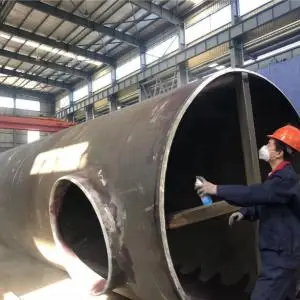
Non-destructive testing: To prevent failure caused by defects such as internal cracks or inclusions during processing or service, non-destructive testing requirements have been incorporated into the standards for precision instrument tubing. Specific weld inspection requirements may also apply to large-diameter welded pipes used in mechanical structures.