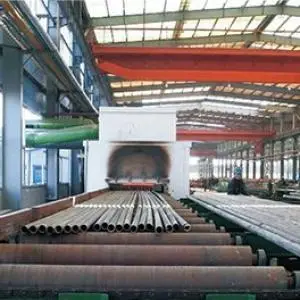
I. What is Hydrostatic Testing for Steel Pipes?
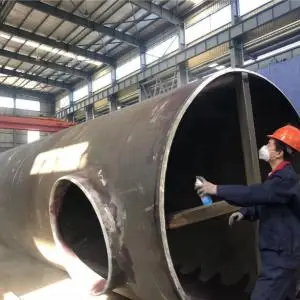
Hydrostatic testing of steel pipes refers to a destructive test conducted under strictly controlled conditions. High-pressure water is injected into a sealed steel pipe, significantly exceeding its future rated operating pressure, and maintained for a period of time. This test verifies the integrity, strength, and sealing performance of the steel pipe under extreme pressure. It simulates the most severe operating conditions the steel pipe may encounter over the next few decades and is the ultimate assessment of its structural load-bearing capacity before leaving the factory or being put into use. This is not just a simple "pressure test," but a comprehensive "pressure trial" concerning materials, processes, and design.
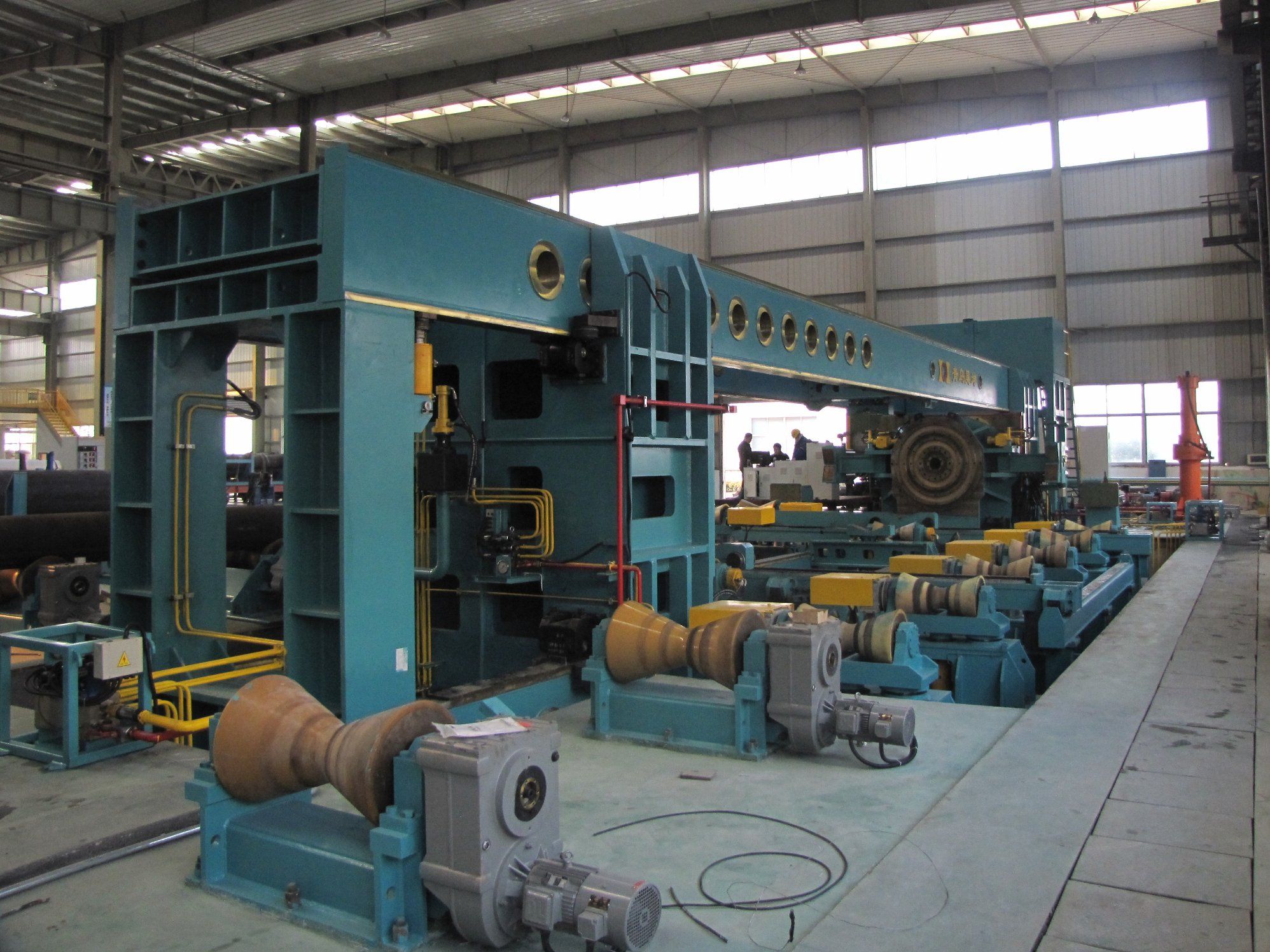
II. Why is Hydrostatic Testing Indispensable?
Its importance stems from the extraordinary mission and potential risks borne by steel pipes, mainly reflected in the following aspects:
The Cornerstone of Safety: Preventing Catastrophic Failures
Pipelines transporting oil and gas, chemical media, and high-temperature, high-pressure steam are highly susceptible to catastrophic accidents such as leaks, explosions, and fires if they rupture due to insufficient strength or defects during operation, resulting in loss of life, property damage, and environmental disasters. Hydrostatic testing can expose critical weaknesses in materials, such as microscopic cracks, welding defects, and uneven wall thickness, nipping potential problems in the bud before use. It serves as the first and most robust physical defense for ensuring public and production safety.
A Benchmark for Quality Verification: Practical Testing Beyond Theoretical Data
Even the most sophisticated design and rigorous manufacturing processes cannot guarantee absolute perfection in every section of steel pipe and every weld. Hydrostatic testing provides a direct and comprehensive verification that surpasses drawing calculations and non-destructive testing (such as ultrasonic and radiographic testing). It effectively detects microscopic or complex defects, providing the ultimate and most authoritative comprehensive assessment of whether the actual quality of the steel pipe meets standards and design requirements. Many defects only become apparent when subjected to pressure close to the material's limits.
A Source of Performance Confidence: Ensuring Long-Term Reliable Operation
Steel pipes that pass hydrostatic testing have undergone a "pressure baptism," proving their short-term load-bearing capacity and sealing reliability under design pressure and even higher pressures. This provides crucial information for predicting the service life and reliability of steel pipes under complex conditions such as long-term cyclic loading and corrosive environments, giving engineers, operators, and users vital confidence.
Mandatory Requirements of Regulations and Standards: A Passport to Industry Access Globally, both internationally recognized standards such as API (American Petroleum Institute), ASME (American Society of Mechanical Engineers), and ISO (International Organization for Standardization), as well as mandatory regulations in various countries and industries (such as pressure vessel and pipeline safety supervision regulations), impose clear and stringent hydrostatic testing requirements on steel pipes for specific applications (especially pressure-bearing pipelines). A compliant hydrostatic test report is a legal and technical prerequisite for product delivery, project acceptance, and commissioning; it is a mandatory "passport" to market access.