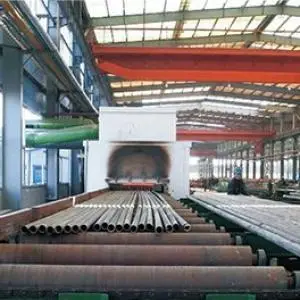
**Downhole Drilling and Production: Specialized Tubulars from Surface to Reservoir**
This category is known as "Oil Country Tubular Goods" (
OCTG) and constitutes the most critical tooling in drilling and extraction operations. It primarily comprises the following three categories:
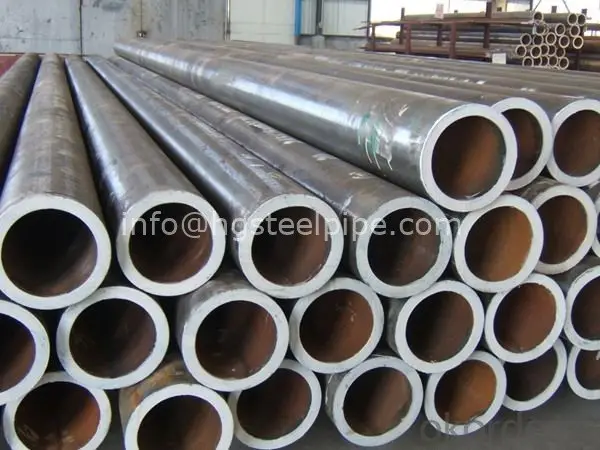
**Drill String Components (Drill Pipe, Drill Collars, Kellys):** When assembled, these components form the "drill string," serving as the "driveshaft" and "mud conduit" for the drilling process. Drill pipe is responsible for transmitting torque and conveying drilling fluid (mud); drill collars, by virtue of their massive wall thickness, provide the necessary weight-on-bit pressure required by the drill bit; while the kelly transmits rotational power from the surface rotary table to the entire drill string. These tools are technologically sophisticated and are designed for reusability.
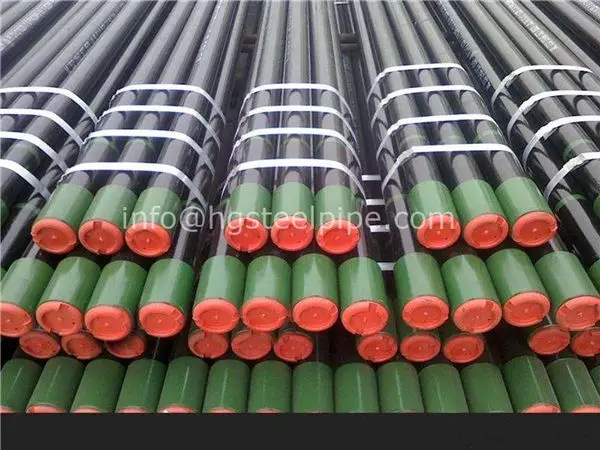
**Casing:** During the drilling process, casing must be run into the wellbore and cemented in place to prevent wellbore collapse and to isolate fluids from different geological formations. Statistics indicate that casing consumption accounts for over 70% of all oilfield tubulars used. Since casing cannot be replaced once installed, its quality directly determines the operational lifespan of the oil well; it is a critical, single-use material.
**
Tubing:** Once an oil or gas well is completed, tubing serves as the conduit through which oil and gas flow from the reservoir to the surface. It is also utilized for production enhancement operations, such as water injection and acid fracturing. Unlike casing, tubing can be replaced and reused. When confronted with extreme environments—such as ultra-deep wells, high-pressure conditions, and the presence of corrosive fluids—the technical requirements for tubing are exceptionally rigorous. For instance, in the "Deep Earth Tak-1 Well" located in China's Tarim Basin—which reaches a depth of 11,100 meters—domestically produced, ultra-thick-walled, high-strength, sulfur-resistant tubing was deployed, successfully ensuring zero-failure operation under extreme working conditions.
* Surface Gathering, Transport, and Refining: Conduits Connecting Field Stations and Conveying Media**
Once oil and gas have been extracted, they must be collected, processed, and transported via a network of pipelines. This segment of application is equally critical:
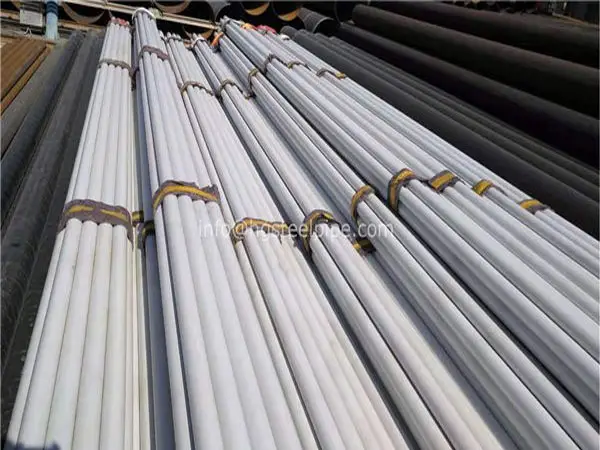
**Gathering and Transport Pipelines:** These refer to the pipelines located within the oilfield itself that connect individual wells to metering stations and central processing facilities; they serve as the "capillaries" of the oil and gas gathering and transport system. Long-Distance Transmission Pipelines: These serve as the "major arteries" for transporting treated crude oil or natural gas over long distances to refineries, storage depots, or terminals; they are characterized by large diameters, high operating pressures, and lengths that can span thousands of kilometers. In addition to traditional steel pipes, non-metallic pipelines—such as fiberglass-reinforced plastic (FRP) pipes and flexible composite pipes—have seen increasingly widespread application in oil and gas fields in recent years, owing to their advantages in corrosion resistance and lightweight properties.
Refinery and Petrochemical Pipelines: Within petroleum refineries, various types of seamless steel pipes are utilized to fabricate furnace tubes, heat exchangers, and process piping; these components are required to operate stably over extended periods under conditions involving high temperatures, high pressures, and highly corrosive media.