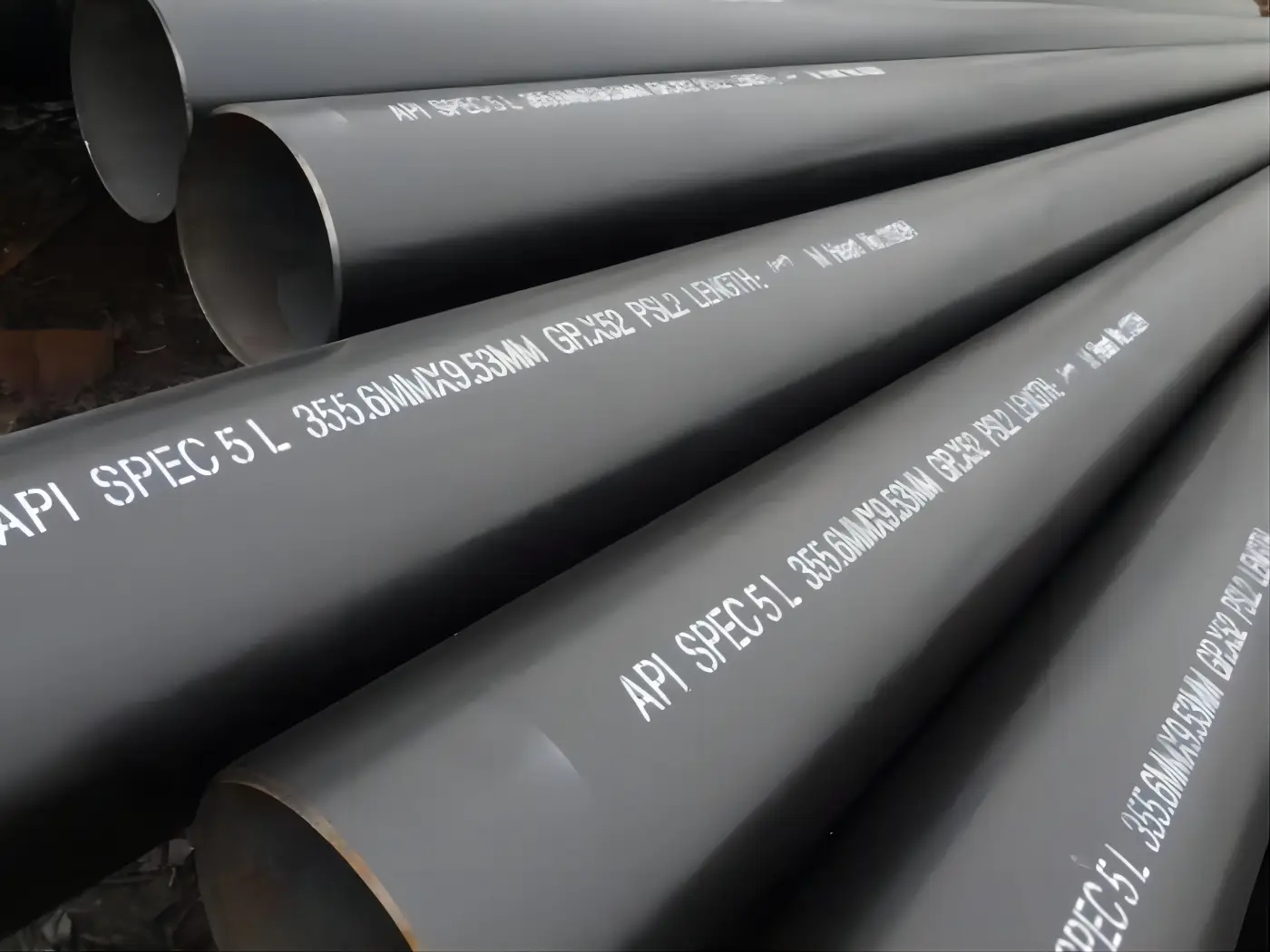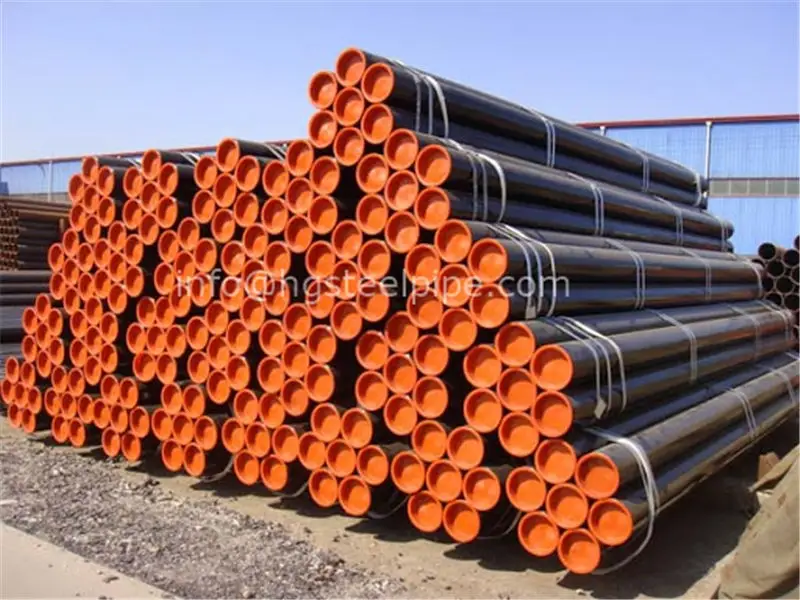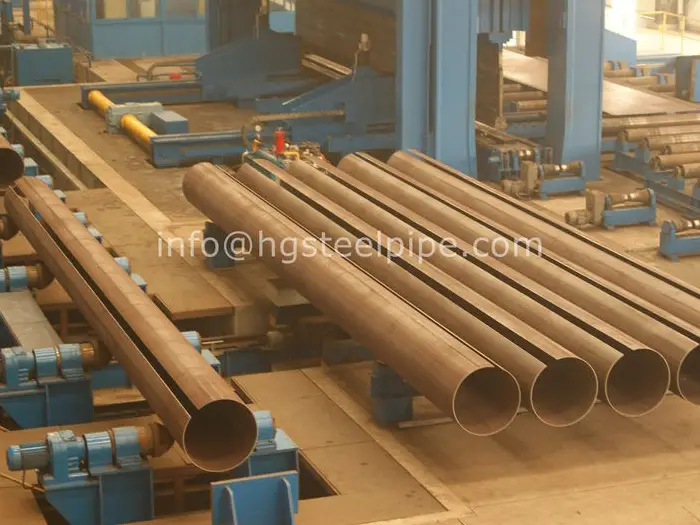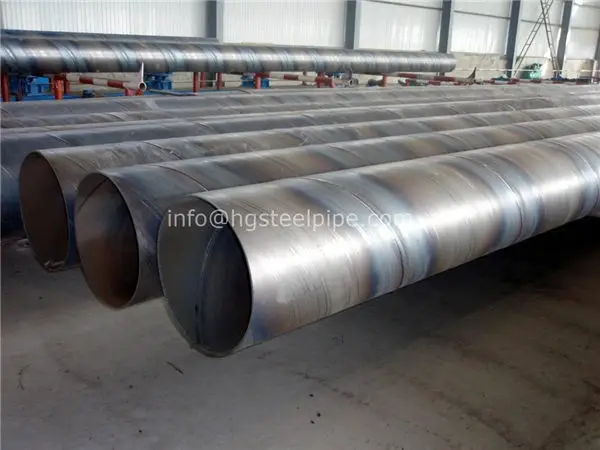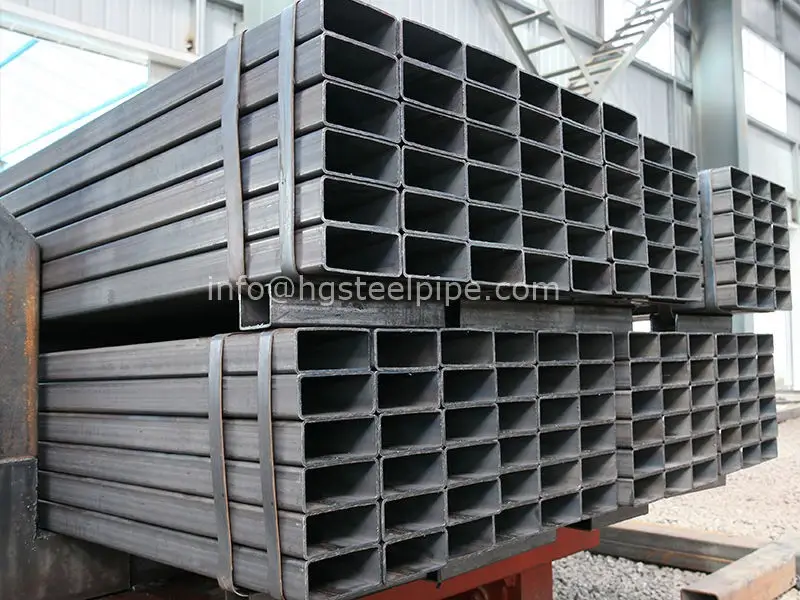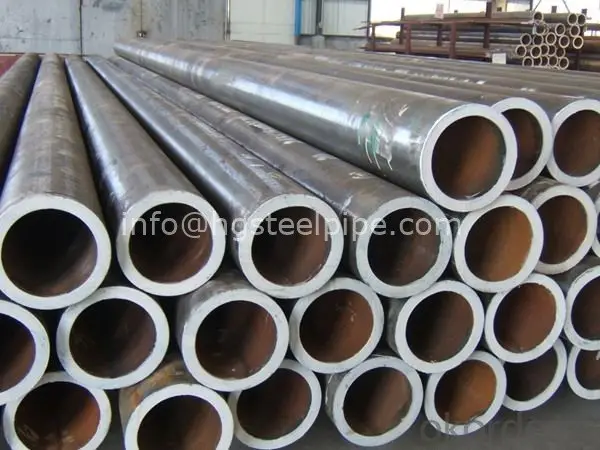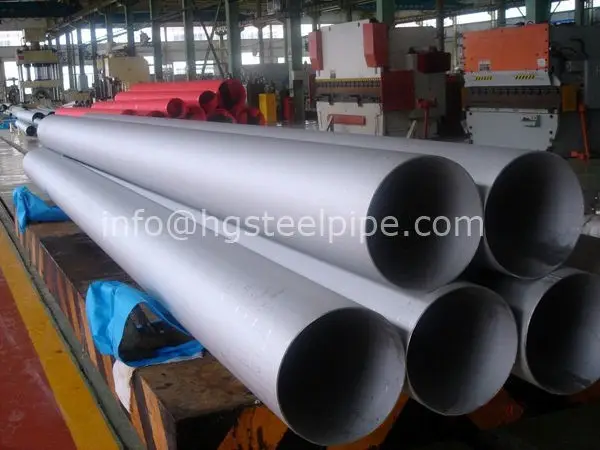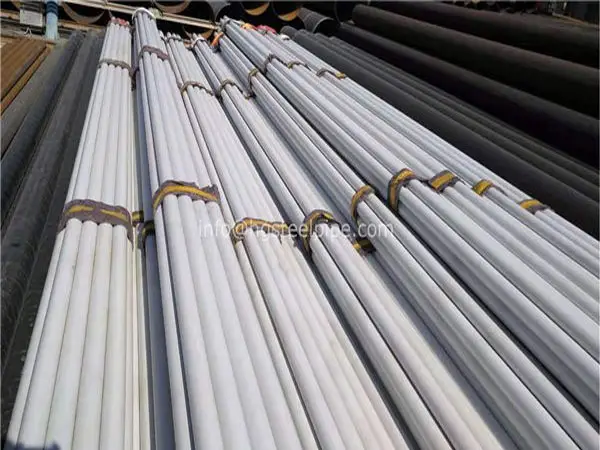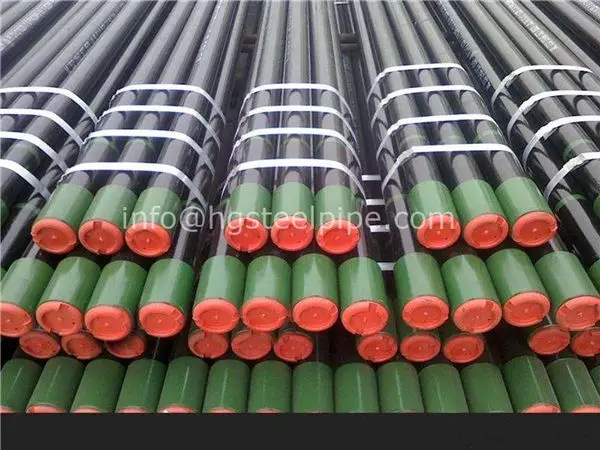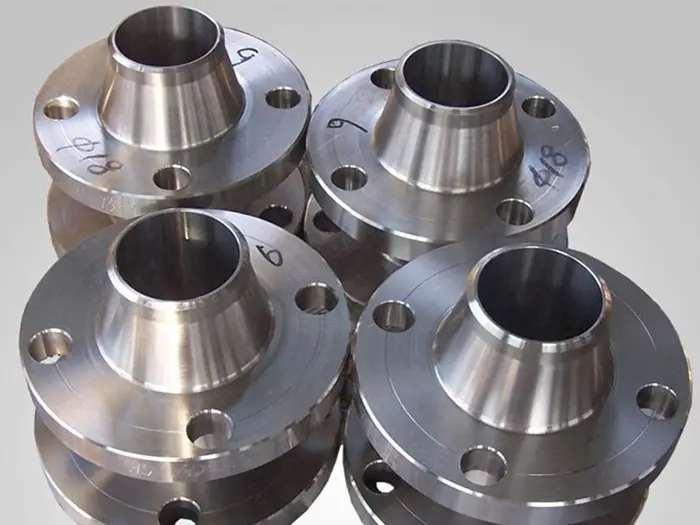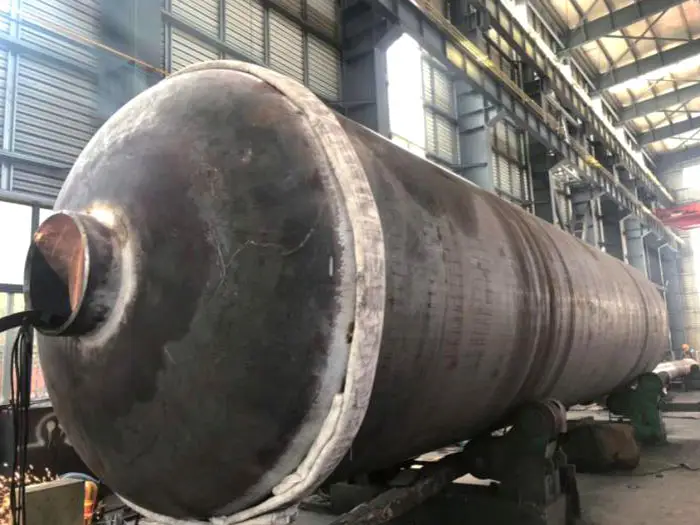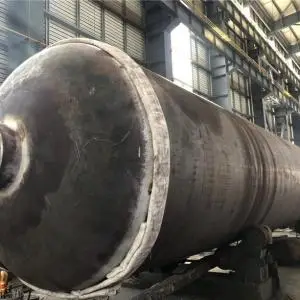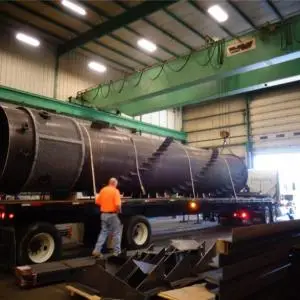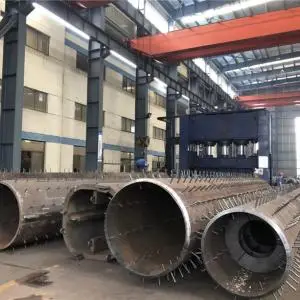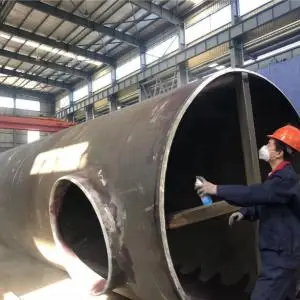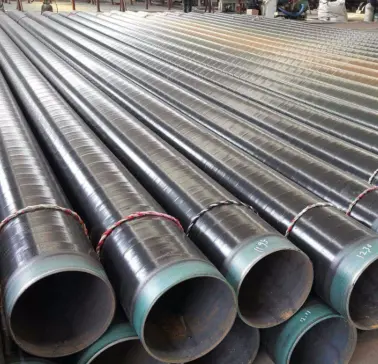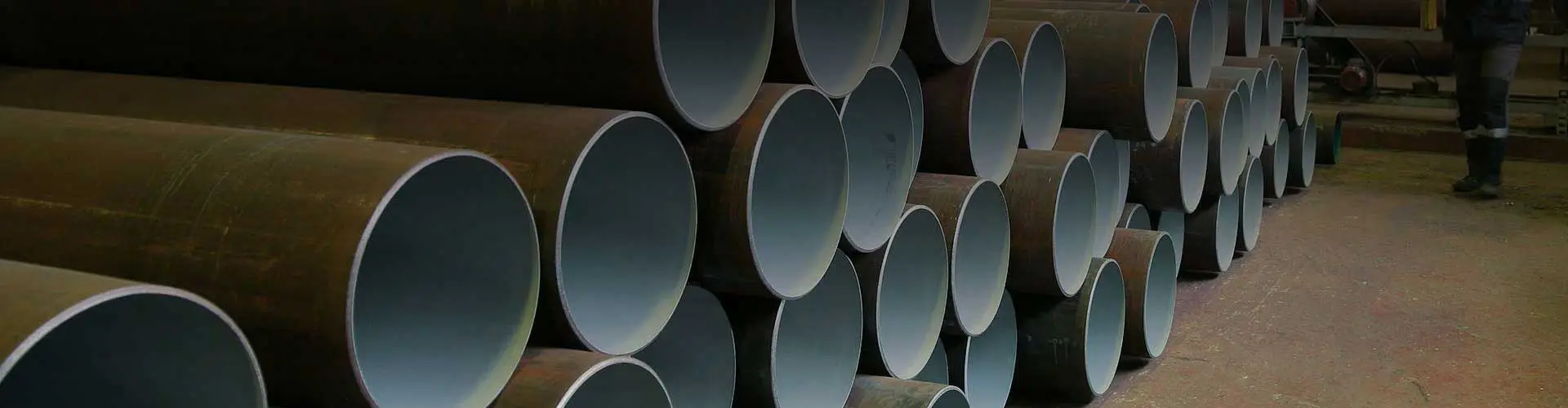
The 3PE anti-corrosion coating structure consists of a base layer of epoxy powder, an intermediate layer of synthetic adhesive, and an outer layer of polyethylene (or polypropylene); it is commonly referred to as 3PE (or 3PP). While polyethylene offers excellent stability and a strong barrier against corrosive media, its lack of polarity results in poor adhesion to highly polar steel surfaces; consequently, a coating consisting solely of polyethylene has significant limitations regarding protective capability. By utilizing the "bridging" effect of the synthetic adhesive and epoxy powder, the 3PE system fundamentally resolves the adhesion issue between polyethylene and steel, earning it the industry designation of the "perfect coating."
1. Epoxy Powder Base Layer: The epoxy powder utilizes materials such as epoxy resin or phenolic epoxy as the film-forming agent. Functional groups within the film-forming molecules—such as epoxy, ether, hydroxyl, and carbonyl groups—form both chemical bonds and strong van der Waals bonds with the metal bonds of the steel. Consequently, epoxy coatings fused to the steel surface at high temperatures exhibit the strongest adhesion among all organic coatings. The thickness of the epoxy powder layer is typically specified within the range of 80–150 μm.
2. Adhesive Intermediate Layer: This adhesive is generally produced by grafting maleic anhydride onto polyethylene molecular chains or copolymerizing it with ethylene, thereby introducing anhydride groups into the polyethylene material. The anhydride groups on the adhesive molecules react with the epoxy and hydroxyl groups in the epoxy resin molecules to form strong chemical cross-links. Simultaneously, the main chain of the adhesive molecule—primarily composed of ethylene—shares a structural similarity with the polyethylene molecular chain; this compatibility allows the extruded adhesive sheet and the polyethylene layer to fuse into a single unit under pressure. The thickness of the adhesive layer is typically specified as 170–250 μm.
3. Polyethylene Outer Layer: The polyethylene outer layer is the coating material that offers the highest resistance to mechanical damage and the best operational stability among commonly used pipeline anti-corrosion coatings. Due to its non-polar nature, polyethylene acts as a barrier against polar corrosive media—such as water, acids, alkalis, and salts—preventing them from penetrating the anti-corrosion coating and reaching the steel surface. The polyethylene layer is generally required to have a minimum thickness of 2.0 mm.
The significance of the integrity of the 3PE anti-corrosion coating lies in the fact that the three layers function as a unified whole: the fusion-bonded epoxy (FBE) powder layer and the adhesive layer primarily ensure the coating's adhesion to the steel, while the polyethylene layer serves as the main barrier against corrosion. If the polyethylene layer delaminates—regardless of whether the separation occurs at the epoxy layer interface or the steel surface—the coating loses its protective function. A particularly critical scenario arises when there is a gap between the point of delamination and the breach in the coating; this prevents cathodic protection currents from reaching the steel surface beneath the detached layer, leading to corrosion if the surrounding soil environment is corrosive. Research indicates that corrosion beneath a delaminated layer often manifests as pitting corrosion characterized by an autocatalytic effect and potential hydrogen evolution; in pressurized pipelines, this can even lead to stress corrosion cracking, posing a severe threat to pipeline integrity, especially in high-pressure gas transmission lines.