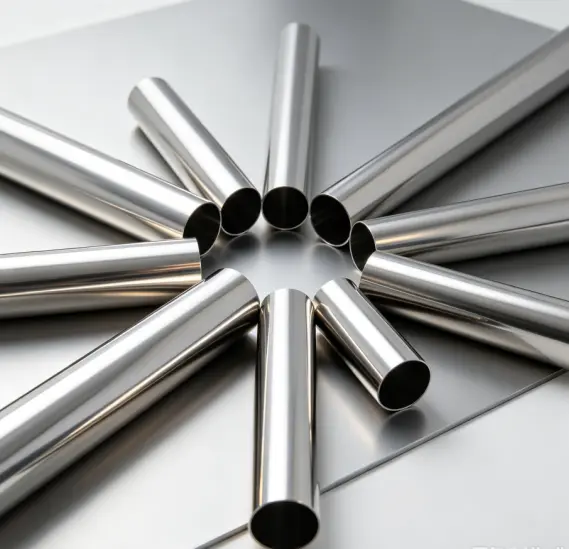
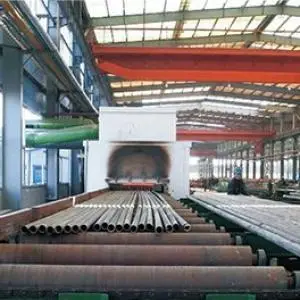
1. Material Differences: High-alloy pipe fittings use special materials such as nickel-based alloys and titanium alloys, incorporating large amounts of expensive elements like chromium, molybdenum, and nickel. Ordinary pipe fittings primarily use conventional materials such as carbon steel, low-alloy steel, or ordinary stainless steel.
2. Significant Performance Differences: High-alloy
pipe fittings are resistant to high temperatures, maintaining strength at 750℃ or even higher; they are resistant to high pressure, possessing extremely high yield strength and are not easily deformed or cracked; they are corrosion-resistant, resisting various strong acids, strong alkalis, and corrosive media such as hydrogen sulfide. In contrast, ordinary pipe fittings can only meet conventional pressure requirements at room temperature and medium to low temperatures. Their performance deteriorates drastically when exposed to high temperatures, high pressures, or corrosive environments.
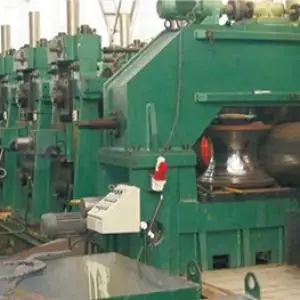
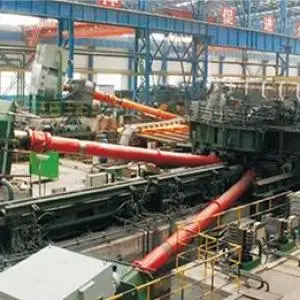
3. Manufacturing Process Complexity Differences: High-alloy pipe fittings often employ complex processes such as seamless rolling, requiring extremely strict control over material composition and heat treatment, resulting in high production difficulty and low yield. Ordinary pipe fittings commonly use conventional processes such as welding and casting, with relatively simple and mature manufacturing processes.
4. Different Application Areas: High-alloy pipe fittings are mainly used in high-end industrial fields, such as aerospace engines, nuclear power plant reactors, deep-sea oil and gas extraction platforms, and supercritical boilers. Ordinary pipe fittings are widely used in general engineering projects such as building water supply and drainage, general mechanical structures, city gas pipelines, and general fluid transportation.
5. Significant Differences in Service Life and Cost: High-alloy
pipe fittings have a very long service life; their excellent creep resistance, oxidation resistance, and fatigue resistance allow them to be designed for decades. However, their cost is also very high, several times or even tens of times that of ordinary pipe fittings. Ordinary pipe fittings can meet their design life under normal conditions, are cost-effective, and are suitable for mass production and application.