Detailed Overview of the ASTM A516 Standard
Date:2026-09-10
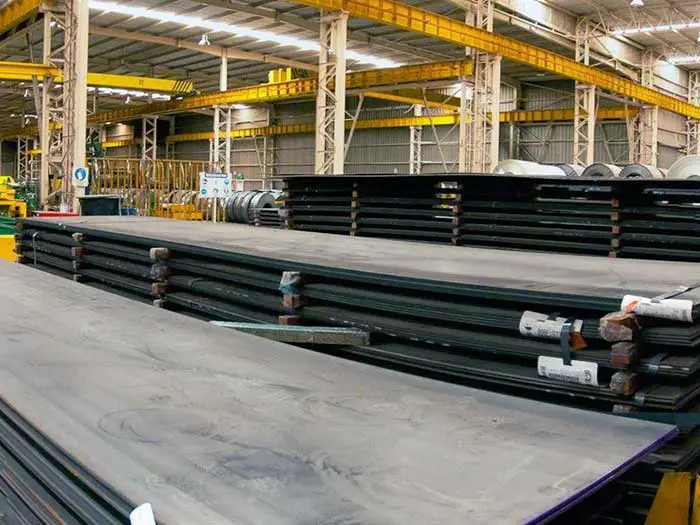
ASTM A516 is a pivotal standard for carbon steel plates used in pressure vessels—specifically those intended for service in moderate- and lower-temperature environments. Its primary value lies in its excellent notch toughness (i.e., resistance to brittle fracture).
1. Standard Overview
Full Title: Standard Specification for Pressure Vessel Plates, Carbon Steel, for Moderate- and Lower-Temperature Service
Latest Version: ASTM A516/A516M-25 (as of 2025)
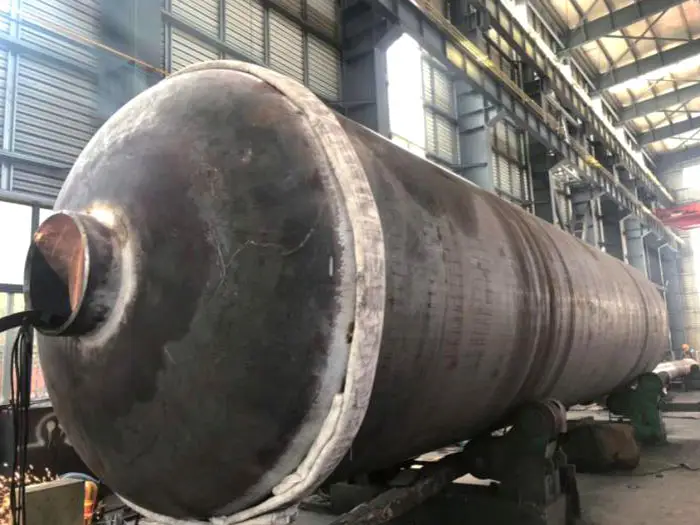
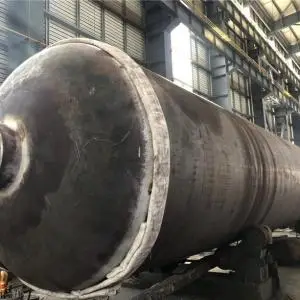
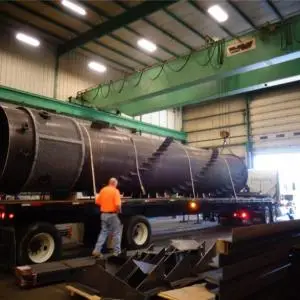
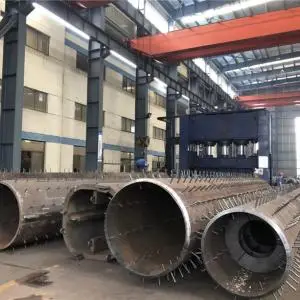
2. Primary Applications: Widely used in industries such as petroleum, chemicals, power generation, and boiler manufacturing to produce critical equipment including reactors, heat exchangers, spherical tanks, and storage tanks.
3. Four Strength Grades
The standard classifies steel plates into four grades based on tensile strength; higher grades offer greater strength, though ductility and toughness decrease correspondingly. Selection should be based on the equipment's pressure requirements and design temperature:
Grade 55: Tensile strength of 55–75 ksi [380–515 MPa]; typical maximum thickness of 12 in. [305 mm].
Grade 60: Tensile strength of 60–80 ksi [415–550 MPa]; typical maximum thickness of 8 in. [205 mm].
Grade 65: Tensile strength of 65–85 ksi [450–585 MPa]; typical maximum thickness of 8 in. [205 mm].
Grade 70: Tensile strength of 70–90 ksi [485–620 MPa]; typical maximum thickness of 8 in. [205 mm].
Note: The "typical maximum thicknesses" listed above reflect industry practice; the standard itself does not mandate an upper limit on thickness, provided the steel plate's chemical composition meets the required mechanical properties. Among these, Grade 70 is the most widely used grade. 4. Chemical Composition and Mechanical Properties
Taking the most commonly used Grade 70 as an example, its chemical composition (which varies slightly depending on thickness) and mechanical properties are generally as follows:
Chemical Composition: Carbon (C) ≤ 0.27%, Manganese (Mn) 0.85–1.20%, Phosphorus (P) ≤ 0.035%, Sulfur (S) ≤ 0.035%, Silicon (Si) 0.15–0.40%.
Mechanical Properties: Tensile strength of 485–620 MPa; yield strength ≥ 260 MPa (varies by thickness).
5. Heat Treatment Requirements
Heat treatment is a critical step in ensuring that A516 steel plates meet toughness standards; the specifications clearly outline these requirements:
Thickness ≤ 40 mm: Typically delivered in the as-rolled condition, though normalizing or stress-relieving treatments may be performed upon request.
Thickness > 40 mm: Normalizing treatment is mandatory.
When notch toughness requirements apply: Normalizing treatment is required even if the thickness is ≤ 40 mm.
Special Cooling: Subject to purchaser approval, cooling rates faster than air cooling may be employed, provided that subsequent tempering is performed within the 595–705°C range.