I. Main Functions
Permanent Pipe Sealing: Primarily used for welding or threaded connections at the ends of pipes, completely sealing the pipeline and preventing media leakage. Unlike removable blind flanges, once welded and installed, it is usually permanent.
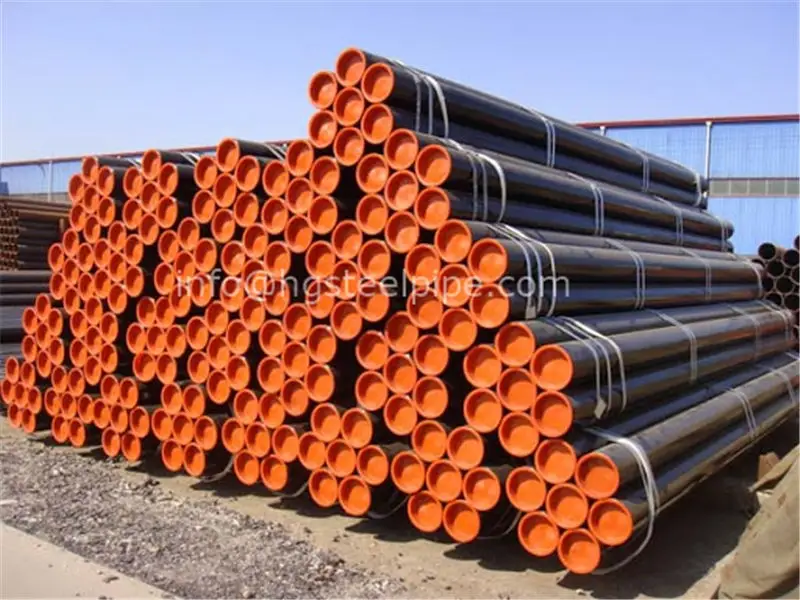
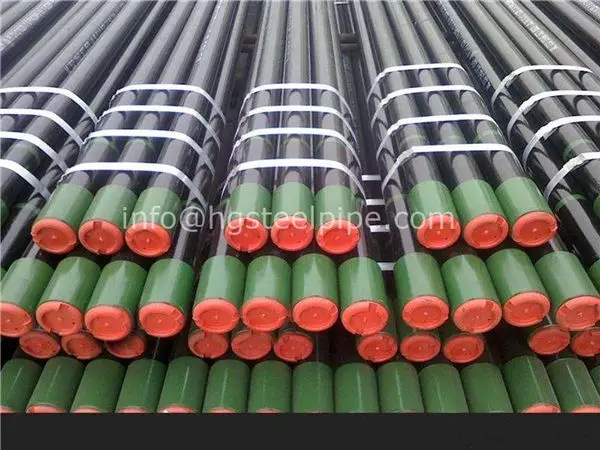
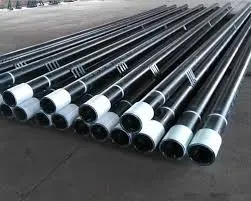
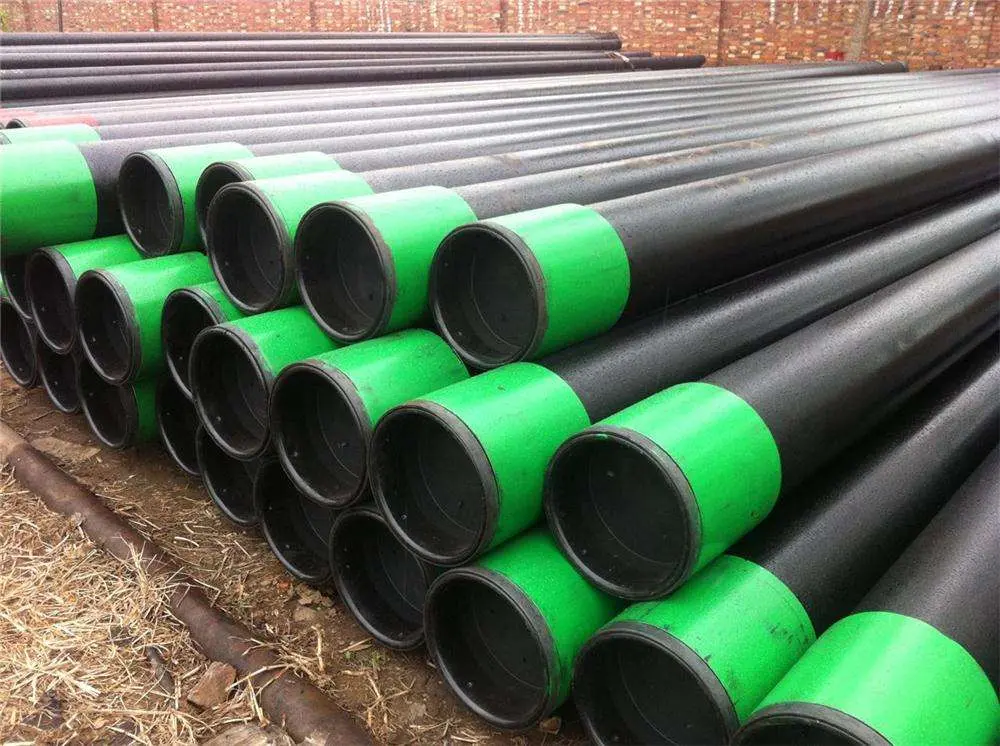
Temporary Protection During Transportation: During the storage and transportation of
steel pipes, plastic caps are placed over the pipe ends to provide dustproof, waterproof, and impact protection, protecting the pipe threads and internal cleanliness.
II. Classification by Material
Metal Caps: Common materials include carbon steel, stainless steel (such as 304, 316L), and alloy steel. They are characterized by high strength and good sealing performance, used in applications requiring welding or high pressure, such as industrial piping systems in petrochemical, nuclear power, and shipbuilding industries.
Plastic Caps: Common materials include low-density polyethylene (LDPE). They are characterized by light weight, elasticity, corrosion resistance, and easy installation and disassembly. Primarily used for temporary protection of steel pipes during transportation and storage, they are divided into internal plugs (inserted from the inside) and external snap-fits (clamped from the outside).
III. Classification by Shape and Structure
The shape of a pipe cap determines its load-bearing capacity and manufacturing difficulty. It is mainly classified into the following categories:
Convex Pipe Caps: This is the most common type, including hemispherical, elliptical, dished, and spherical caps. In terms of load-bearing performance, the hemispherical shape is the best, followed by the elliptical, dished, and spherical cap shapes in descending order; however, in terms of manufacturing difficulty, the opposite is true.
Flat-Cap Pipe Caps: The simplest structure, simply a flat end cap, suitable for low-pressure applications.
Conical Shell and Reducing Diameter Pipe Caps: Shaped with a taper or diameter change, used for pipelines with special connections or fluid guidance requirements.
IV. Classification by Connection and Standards
Connection Method: Mainly divided into
welded pipe caps (permanent seal) and threaded pipe caps (can be screwed onto the external threads of the pipe end).
Production Standards: The production of pipe caps must adhere to strict standards to ensure dimensions and performance, such as Chinese national standards (GB/T), chemical industry standards (HG/T), petrochemical standards (SH), as well as international standards such as American Standards (ASME), German Standards (DIN), and Japanese Standards (JIS). Different standards correspond to different pressure ratings (e.g., SCH5-SCH160) and size ranges (e.g., DN15-DN1200).