Functions of Fasteners
Date:2026-10-10
1. Enabling detachable connections
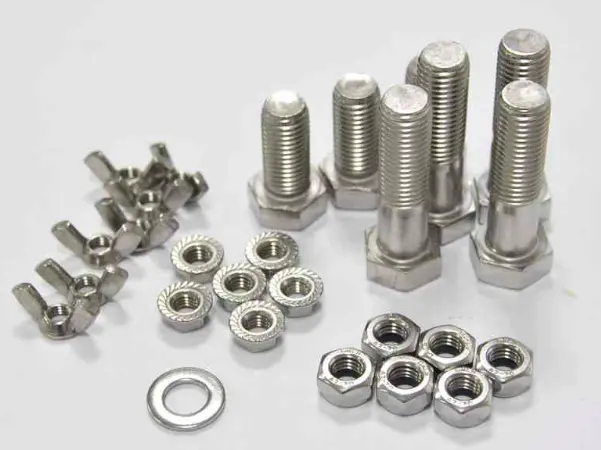
This is the primary function of fasteners. Unlike permanent connections such as welding or riveting, connections made with fasteners—such as bolts, screws, and nuts—allow for disassembly, replacement, or maintenance without damaging the components. For example, automotive engine cylinder heads and equipment access panels require bolted connections to facilitate repeated assembly and disassembly.
2. Transmitting loads and withstanding forces
Once installed, fasteners must withstand various external forces, including:
Tensile force: Bolts subjected to stretching, such as high-strength bolts in steel structure connections.
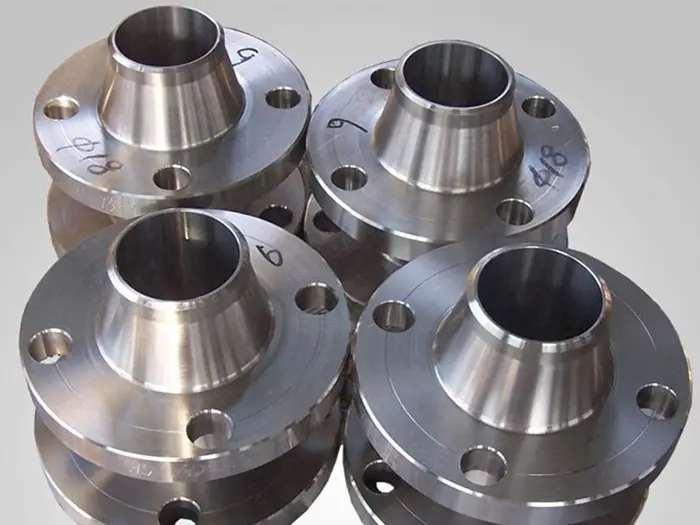
Shear force: Bolts subjected to transverse loads, such as those in flange connections.
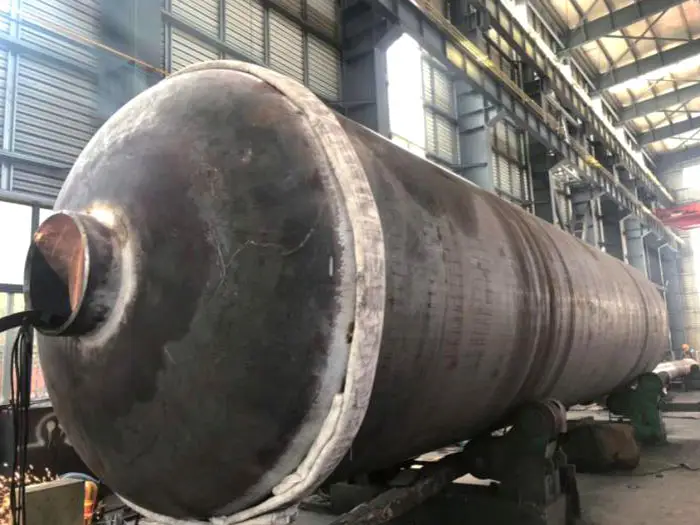
Compressive force: Clamping connected parts tightly together via preload, such as in pressure vessel flanges.
Torque: Transmitting rotational motion, such as bolts on a shaft coupling.
3. Ensuring sealing and preventing leakage
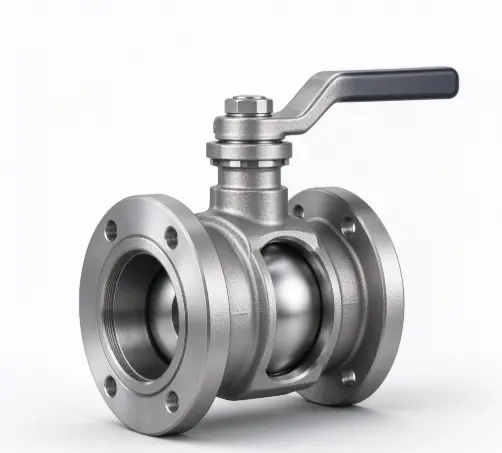
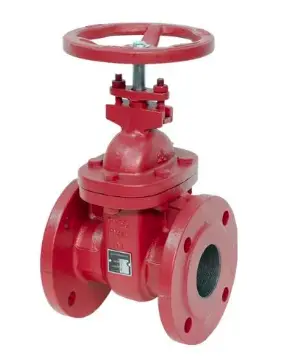
In piping, valves, and pressure vessels, fasteners apply sufficient preload to compress and deform gaskets. This fills microscopic irregularities on the mating surfaces, thereby creating a seal. Insufficient preload or loosening of bolts can lead to leaks. For instance, flange bolts are critical for maintaining a secure seal in piping systems.
4. Positioning and securing
Some fasteners (such as pins and locating bolts) serve not only to connect parts but also to establish their relative positions, preventing misalignment during assembly. Examples include locating pins in machine tool fixtures and locating bolts in molds.
5. Adjustment and locking
Certain fasteners offer adjustment capabilities:
Adjustment: e.g., adjustment screws used to alter the distance or angle between components.
Locking: e.g., lock nuts, spring washers, and locking washers, which prevent fasteners from loosening due to vibration. 6. Ensures Standardization and Interchangeability
Most fasteners are standardized (e.g., ISO, GB, DIN, ANSI standards), meaning that fasteners of the same specifications produced by different manufacturers are interchangeable. This significantly reduces costs associated with design, procurement, and maintenance.
7. Impacts Structural Safety and Service Life
The quality of fasteners directly affects the safety of the entire piece of equipment or structure. For example:
The failure of high-strength bolts used in high-speed trains or bridges can lead to serious accidents.
Corrosion of fasteners in chemical processing equipment can result in media leakage or even explosions.