Valve Fundamentals
Date:2026-10-09
1. Basic Functions and Classification of Valves
Valves primarily perform the following functions: shutting off or connecting the flow of media within a pipeline, regulating media flow rate and pressure, altering flow direction, and ensuring the safety of pipelines or equipment (e.g., safety valves, pressure-reducing valves).
Based on function and structure, valves are generally categorized as follows:
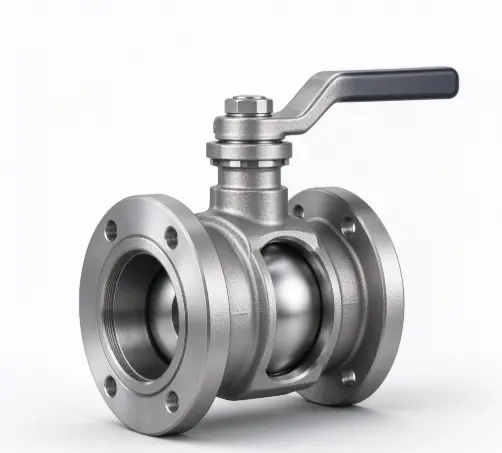
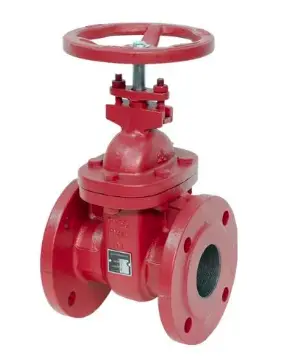
Shut-off valves: Primarily used to cut off or connect pipeline flow. Examples include gate valves, globe valves, ball valves, butterfly valves, and plug valves.
Regulating valves: Primarily used to adjust media flow rate and pressure. Examples include control valves, throttle valves, and pressure-reducing valves.
Check valves: Used to prevent backflow of media. Examples include lift check valves and swing check valves.
Diverting/Mixing valves: Used to distribute, separate, or mix media. Examples include three-way valves and steam traps.
Safety valves: Used for overpressure protection. Examples include spring-loaded safety valves and lever-type safety valves.
2. Key Performance Parameters of Valves
When selecting a valve, the following parameters are critical:
Nominal Pressure (PN): The maximum working pressure allowed for the valve at a reference temperature (e.g., PN16, PN40, PN100).
Nominal Diameter (DN): The nominal diameter of the valve's connection end (e.g., DN50, DN100).
Applicable Temperature: The temperature range within which the valve operates correctly; this depends on the materials used for the valve body and seals.
Applicable Media: The type of fluid the valve handles; factors such as corrosiveness, toxicity, and flammability/explosiveness must be considered.
Connection Method: Common methods include flanged, threaded, welded, and wafer-style connections.
Actuation Method: Manual, electric, pneumatic, hydraulic, electro-hydraulic, etc.
3. Valve Materials
The choice of materials for components such as the valve body, valve core (trim), and sealing surfaces directly affects the valve's performance and service life. Valve body materials: Cast iron (low cost; for water and low-pressure applications), cast steel (high strength; for high-pressure and high-temperature applications), stainless steel (corrosion-resistant; for chemical and food industries), and alloy steel (for special operating conditions such as high temperature/pressure and hydrogen service).
Sealing surface materials: Rubber (nitrile rubber, fluoroelastomer; for ambient temperature and low pressure), PTFE (corrosion-resistant; temperature resistance up to approx. 200°C), and hard metal (for high-temperature, high-pressure, and wear-intensive applications).
Valve stem materials: Commonly stainless steel, precipitation-hardening stainless steel, etc.; requires high strength, corrosion resistance, and wear resistance.