I. Core Concept: How Does Temperature "Embrittle" Materials?
The mechanical properties of materials, especially metals, are not constant. As the temperature decreases, the toughness (the ability to absorb energy and undergo plastic deformation without fracturing) of many materials decreases significantly, while their brittleness (the tendency to fracture under minor deformation) increases sharply. This phenomenon is called the "ductile-brittle transition."
Tough State (High Temperature Region): The material undergoes significant plastic deformation (such as denting and stretching) before fracture, absorbing a large amount of impact energy. The fracture surface is fibrous and dark in color.
Brittle State (Low Temperature Region): The material fractures suddenly with almost no plastic deformation, absorbing very little energy. The fracture surface is crystalline and smooth.
The purpose of low temperature impact testing is to accurately determine the ductile-brittle transition temperature of a material, or to directly verify whether its impact toughness meets the standard at a specific low temperature.
II. Test Method: Charpy V-Notch Impact Test
The most classic and widely used low temperature impact test method is the "Charpy V-Notch Impact Test."
Specimen: The standard specimen features a precisely machined "V"-shaped notch in the center. This notch simulates stress concentration points in actual structures (such as welds, cracks, and pores), making the test results more closely resemble engineering realities.
Procedure:
Cool the specimen and impact hammer to the specified test temperature (e.g., -20°C, -40°C, -60°C, or even -196°C liquid nitrogen temperature).
Hold the specimen in a dedicated cryogenic bath for a sufficient time to ensure uniform temperature throughout the specimen.
Rapidly transfer the specimen to the impact testing machine support for pendulum impact. The entire process must be completed within seconds to prevent the specimen from warming up.
Results: Measure the remaining kinetic energy after the pendulum breaks the specimen, and calculate the impact energy absorbed by the specimen during fracture (in Joules (J)). Simultaneously, observe the percentage of brittle fracture surface in the fracture morphology, which is a direct indicator of ductile-brittleness.
III. Why Conduct Cryogenic
Impact Testing? — A Lifeline for Safety and Reliability
This test is far from a simple laboratory study; it is an essential engineering necessity directly related to the safety of life and property.
Preventing Catastrophic Brittle Fracture: Historically, during World War II, numerous "Liberty" cargo ships broke in two in icy seawater, and many bridges and storage tanks collapsed suddenly in winter. The root cause was the low-temperature brittleness of steel. Impact testing is a core quality control method for preventing such accidents.
Basis for Material Selection and Certification: For equipment used in cold regions (such as the Arctic and high mountains) or in low-temperature conditions (such as LNG transportation and cryogenic chemicals), relevant standards (such as ASME, EN, and GB) mandate that materials must meet specific impact energy requirements at the minimum design metal temperature.
Welding Procedure Qualification: Welding is a metallurgical process that alters the microstructure and properties of the base material. The heat-affected zone, in particular, is often the source of brittle fracture. Any welding procedure must demonstrate its suitability through a series of tests, including low-temperature impact testing.
Assessing Material Degradation: For in-service equipment (such as aging bridges and pressure vessels), impact tests can be conducted on samples to assess whether the material's low-temperature toughness has degraded after long-term use or exposure to environmental factors such as radiation.
IV. Application Areas
Core Application Industries:
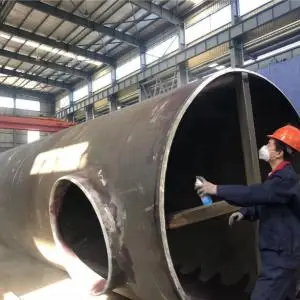
Energy: Oil and gas pipelines, offshore platforms, LNG storage tanks and ship hulls, wind turbine generators.
Transportation: Ships (especially those used for polar navigation), high-speed rail, automobiles (especially chassis and safety components).
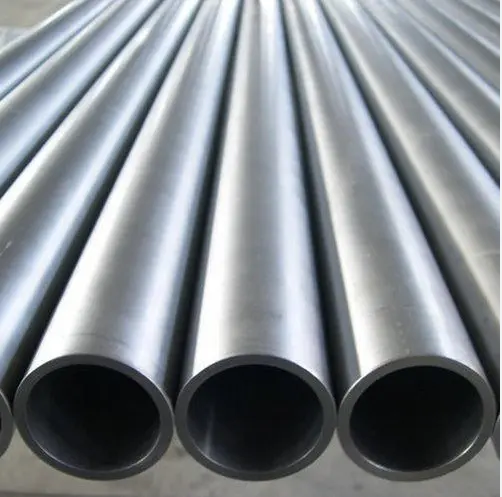
Pressure Vessels and Pipelines: Chemical equipment, cryogenic storage tanks, nuclear power plant components.
Bridges and Buildings: Steel structure bridges and buildings in high-altitude and low-temperature environments.
Aerospace: Performance of aircraft landing gear and engine components in high-altitude and low-temperature environments.