May Steel Price Trends
Date:2026-05-12
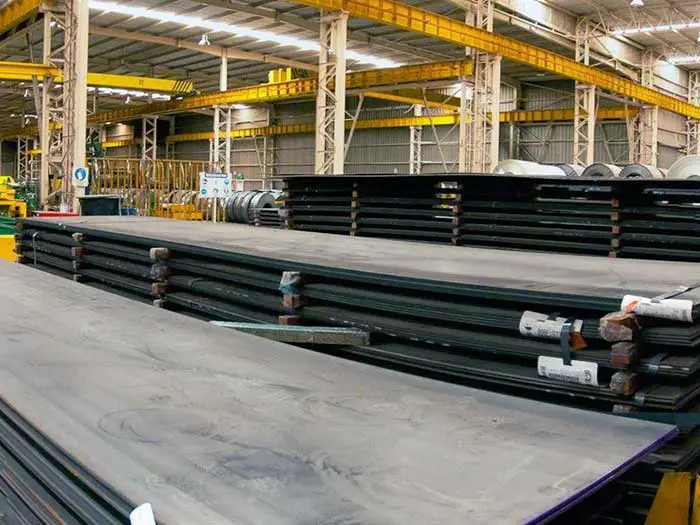
Steel prices are expected to fluctuate within a high range this month, with a pattern of high at the beginning and low at the end.
This means the market will be relatively strong in early May due to cost support and post-holiday restocking, but prices may face downward pressure in the latter half of the month as the off-season effect becomes apparent.
Key Factors Supporting May Steel Prices
Strong Cost Support: Geopolitical conflicts in the Middle East have led to high prices for energy sources such as crude oil, pushing up raw material costs for steel production, particularly supporting the prices of coking coal and coke. At the same time, iron ore prices are also high, forming a "safety cushion" for steel prices.
Booming Export Demand: Steel exports are the biggest highlight of the market this month. Due to a surge in overseas orders (especially in Southeast Asia and the Middle East), export profits for products such as billets and hot-rolled coils are much higher than domestic sales, effectively diverting domestic supply pressure.
Key Market Risks:
Seasonal Demand Decline: Starting in mid-to-late May, southern regions will gradually enter the rainy season, hindering construction projects and leading to a definitive weakening of demand for construction steel (such as rebar and wire rod).
High Supply Levels: Currently, steel mill profits are still relatively good, resulting in high production activity. Blast furnace operating rates and pig iron production are expected to remain high, leading to a gradual accumulation of supply pressure in the market.
Slower Destocking Pace: With weakening demand and continued supply, the rate of steel inventory reduction will slow significantly from the relatively rapid levels of April. Inventories for some varieties (such as cold-rolled steel) have even rebounded, which will limit the upside potential for steel prices.