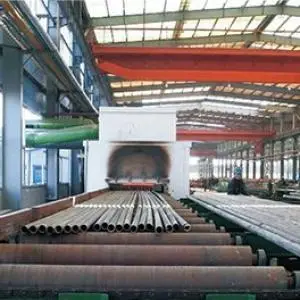
The core advantage of square and
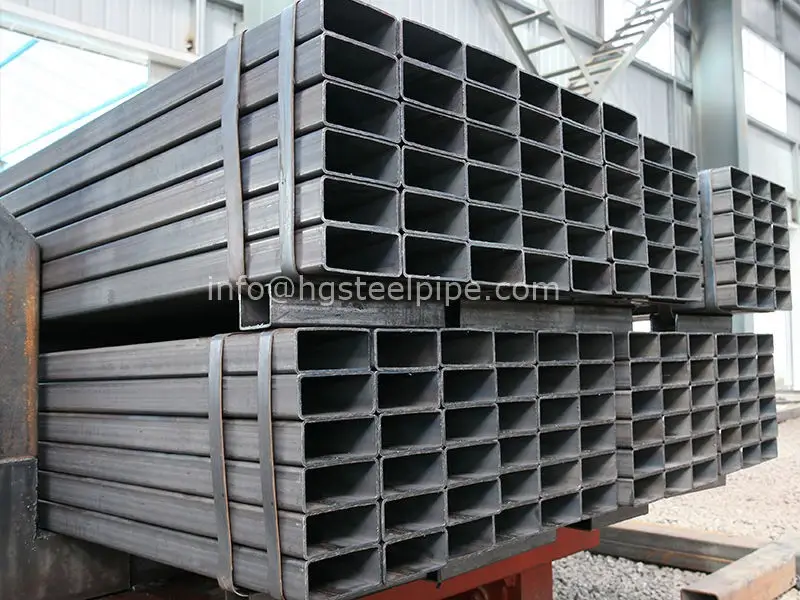
rectangular tubes produced using the "round-to-square" process lies in their ability to overcome conventional wall-thickness limitations, enabling the creation of products with ultra-thick walls and high strength. Consequently, they are primarily used in "heavy-duty" engineering sectors where load-bearing and safety requirements are extremely stringent.
1. Large-scale steel structures and architecture: Used for trusses and curtain wall supports in long-span structures such as airport terminals, stadiums, and exhibition centers. They enhance structural safety and construction efficiency thanks to their high strength, aesthetically pleasing cross-sections, and simplified joint detailing.
2. Heavy machinery and vehicles: Used in the manufacture of special-purpose vehicles, mine supports, construction machinery, and airport ground support equipment. These applications involve withstanding immense loads and impacts, placing rigorous demands on the material's load-bearing capacity.
3. Shipbuilding and bridge engineering: Shipbuilding and bridge construction require vast quantities of structural components; ultra-thick-walled square and rectangular tubes play a pivotal role in these safety-critical engineering projects.
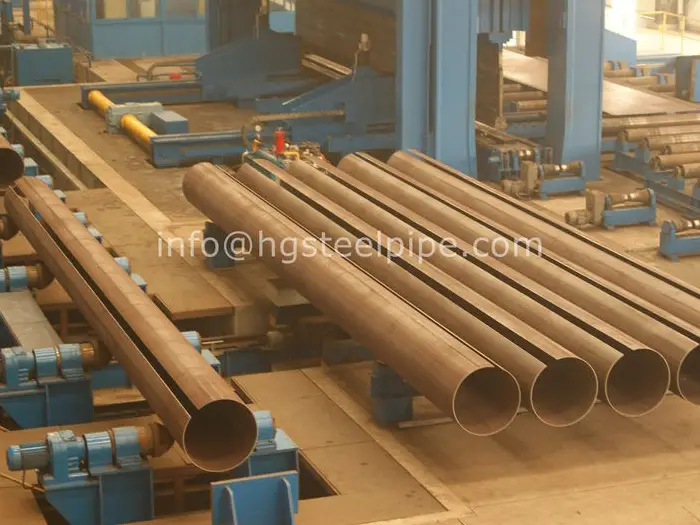
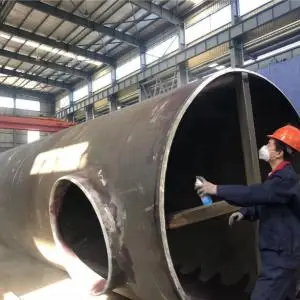
While standard square and rectangular tubes are produced by directly cold-forming steel strip, the "round-to-square" method involves first forming a round tube and subsequently processing it into a square shape. This process offers two primary advantages:
Manufacturing ultra-thick-walled products: Conventional processes are limited in the wall thickness they can achieve (for instance, a standard square tube with a 300mm cross-section typically has a wall thickness of around 16mm). In contrast, the "round-to-square" method allows for wall thicknesses of 30mm or even 45mm, meeting extreme load-bearing requirements.
Greater flexibility in material selection: For applications demanding superior quality, seamless round tubes (which lack weld seams) can be directly converted into square or rectangular tubes, fundamentally eliminating potential strength risks associated with weld seams.