1. Standard Name and Governing Authority:
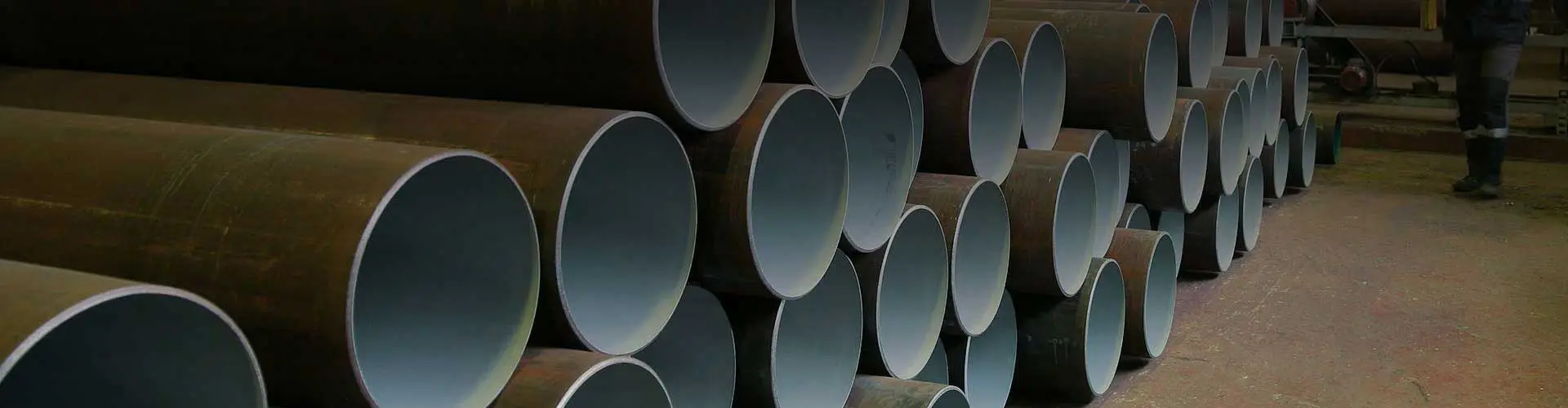
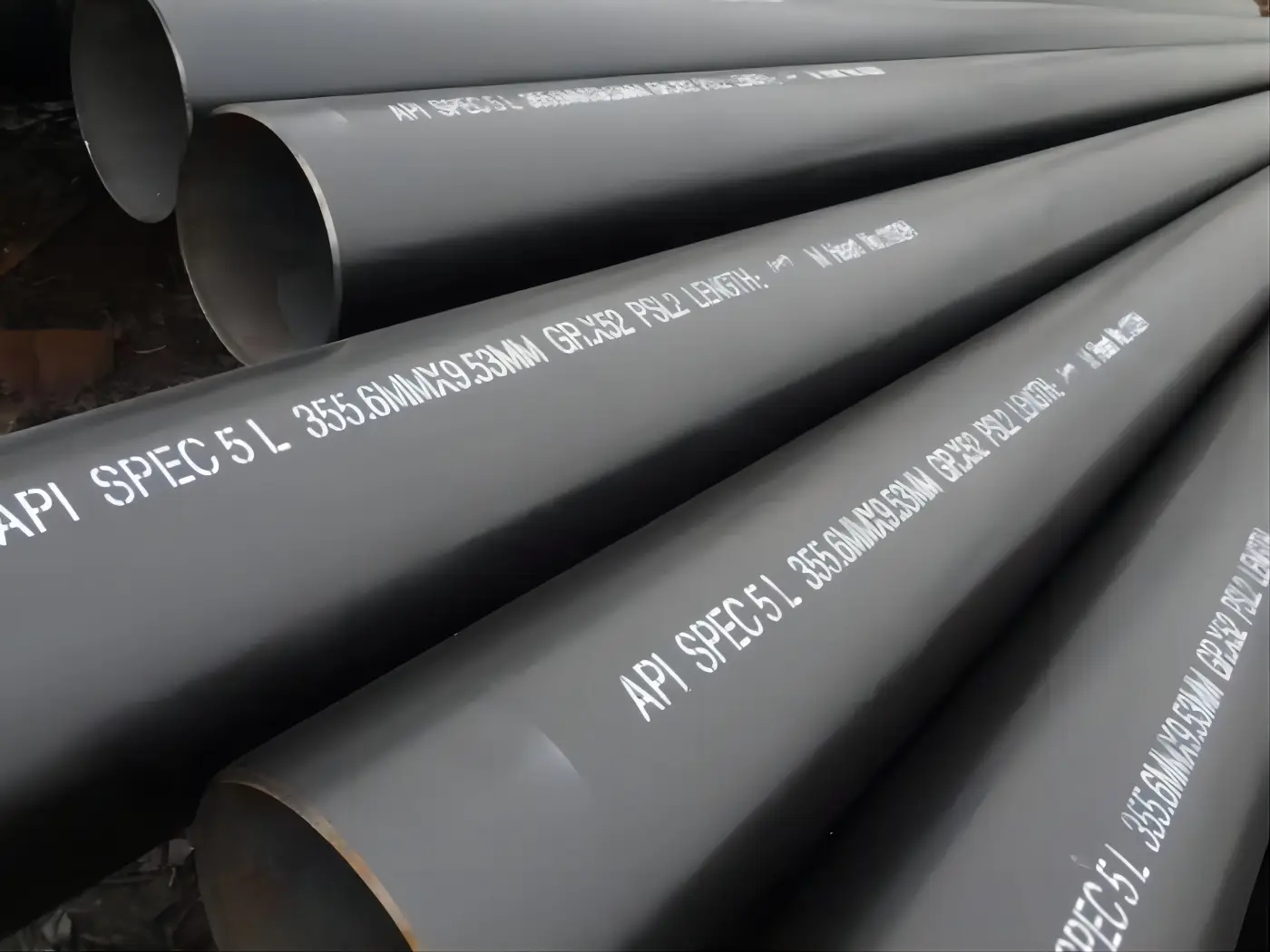
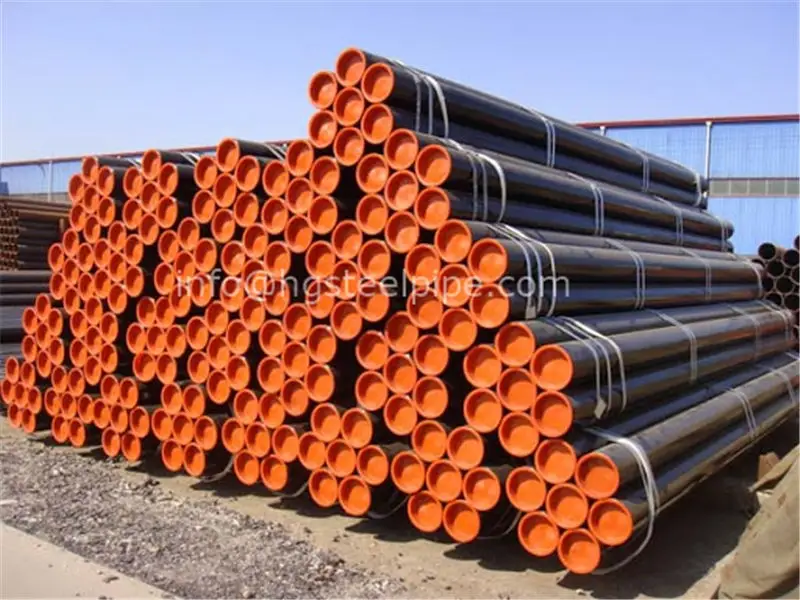
API 5L is a pipeline standard (including seamless and welded) for oil and gas transportation, developed by the American Petroleum Institute.
2. Core Design Purpose: Long-distance, surface/subsea oil and gas transportation. Emphasis is placed on weldability, toughness (especially low-temperature impact toughness), resistance to brittle fracture, and ductile fracture propagation.
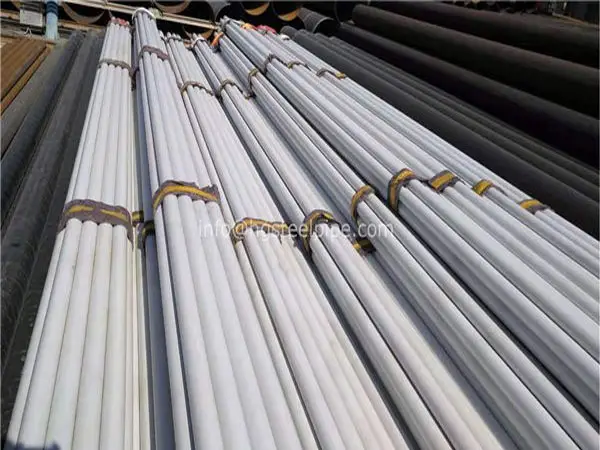
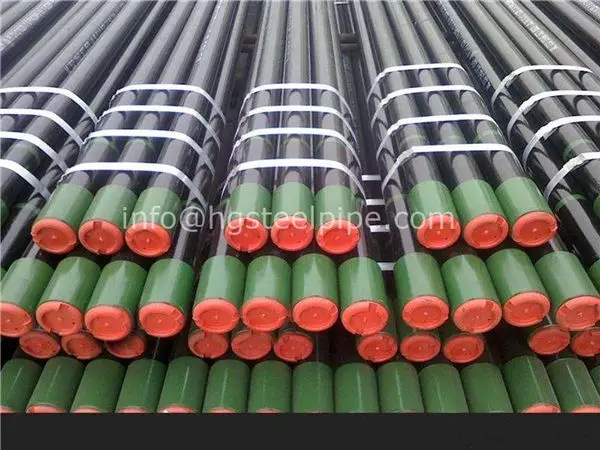
3. Main Application Areas: Long-distance oil and gas pipelines, urban natural gas trunk lines, refined oil transportation trunk lines, gathering and transportation pipelines, etc. Typically used for transportation trunk lines laid in the field or subsea.
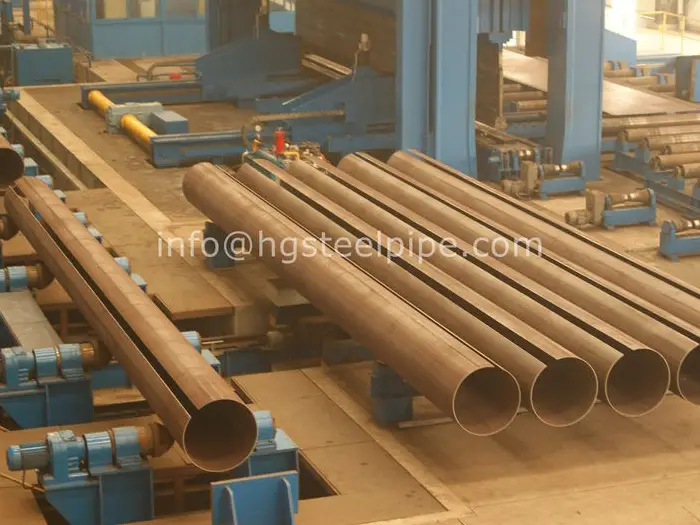
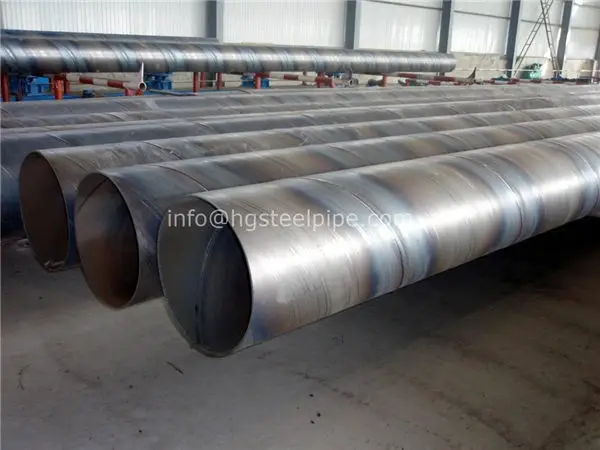
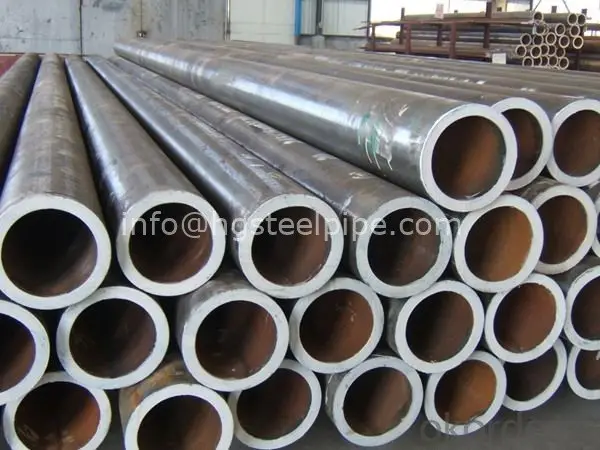
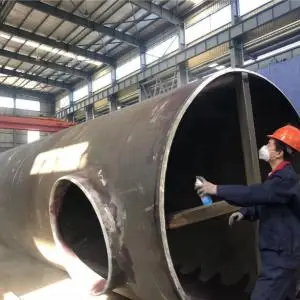
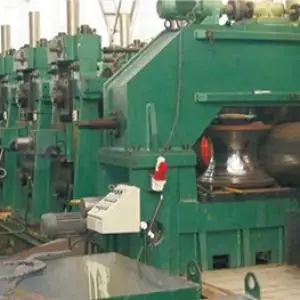
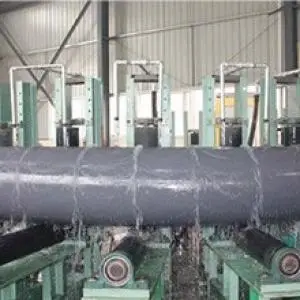
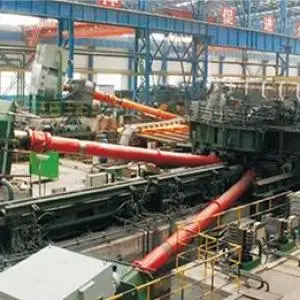
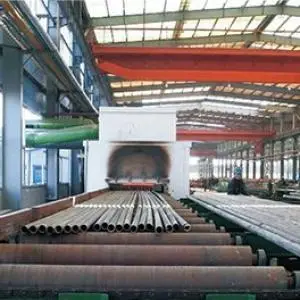
4. Product Manufacturing Process: Includes seamless steel pipes and welded steel pipes. Welded steel pipes can be further divided into straight seam submerged arc welding, spiral seam submerged arc welding, high-frequency resistance welding, etc. Welded pipes are more widely used in API 5L.
5. Differences in Core Performance Requirements:
- Low-Temperature Toughness: For PSL2 grade steel pipes, a Charpy V-notch impact test is mandatory to ensure toughness at service temperatures.
- Weldability: Strict control of carbon equivalent and specified Pcm values to assess weld susceptibility to cold cracking.
- Strength and Ductility: Emphasis on the matching of strength and elongation to ensure the pipe's deformation capacity under stress.
- Non-destructive Testing: Full-body non-destructive testing (e.g., ultrasonic, X-ray) of the weld seams is required for welded pipes; defect detection is also required for seamless pipes.
6. A wide range of steel grades are available, with "X" followed by a number indicating minimum yield strength (kpsi):
- Common steel grades: B, X42, X52, X60, X65, X70, X80, etc.
- Two product specification levels:
- PSL1: Basic requirements.
- PSL2: More stringent requirements for chemical composition, toughness, non-destructive testing, and marking, for more demanding environments.
7. Chemical Element Requirements: For PSL2 grade, in addition to carbon equivalent restrictions, there are also restrictions on single residual elements (e.g., Cr ≤ 0.50%, Ni ≤ 0.50%), mainly for weldability and resistance to hydrogen-induced cracking.
8. Ordering and Selection Points: When pipelines are used to transport oil and gas and require weldability, low-temperature toughness, and resistance to environmental cracking (HIC/SSC), API 5L must be selected, specifying the PSL grade, steel grade, and toughness index.