1. Standard Name and Governing Body: Specification for Seamless Carbon Steel Tubes for High Temperature Use
Developed by the American Society for Testing and Materials (
ASTM)
2. Core Design Objective: Static or confined thermal cycling service under high temperature and high pressure conditions. Emphasis is placed on the material's strength, creep properties, and long-term structural stability at high temperatures.
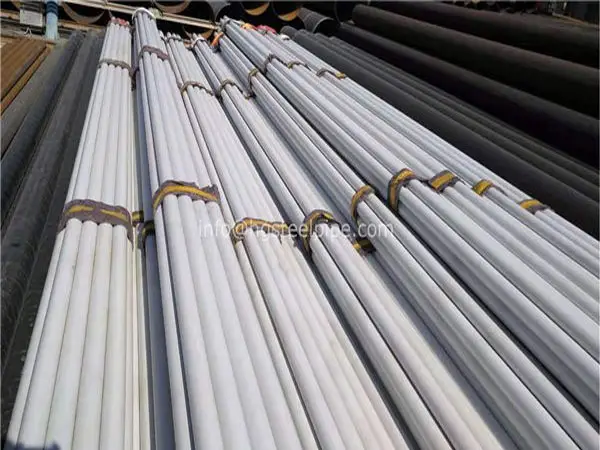
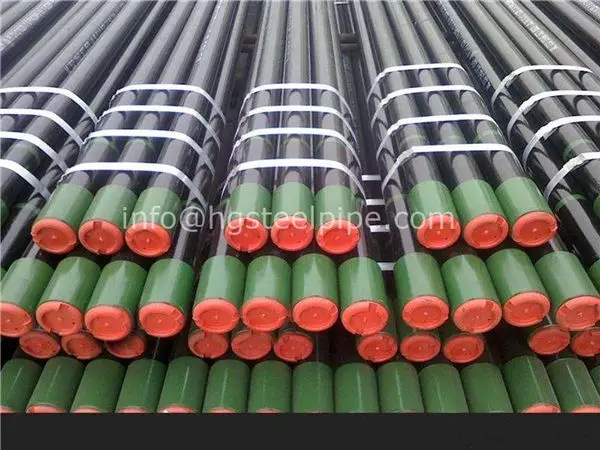
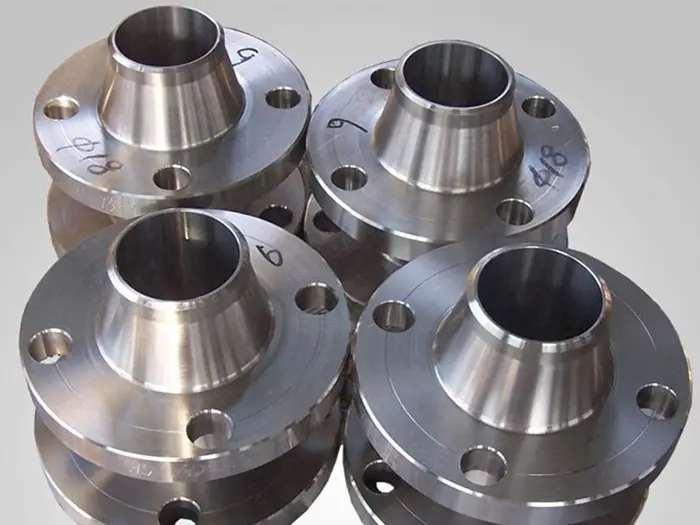
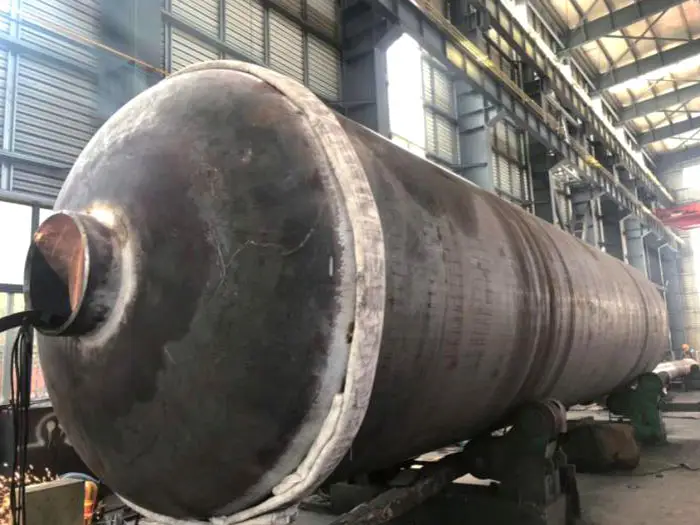
3. Main Application Areas: Process piping systems in power plants, chemical plants, and oil refineries (e.g., steam, high-temperature oil and gas, heat transfer oil pipelines), boiler tubes, heat exchanger tubes, etc. Typically used for fixed-installation internal piping in factories.
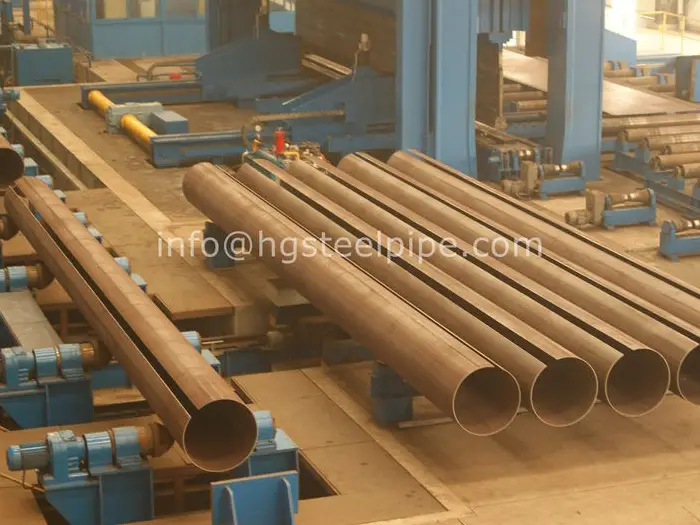
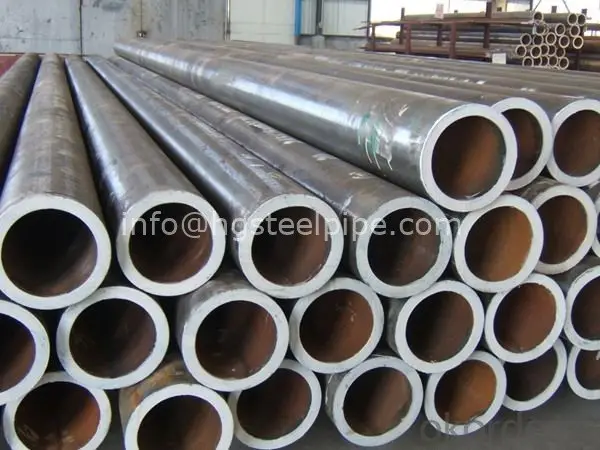
4. Manufacturing Process: Limited to
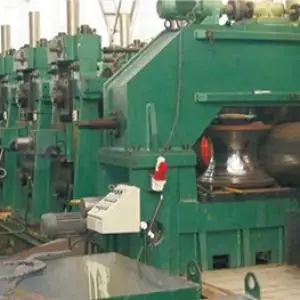
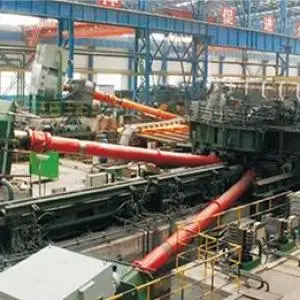
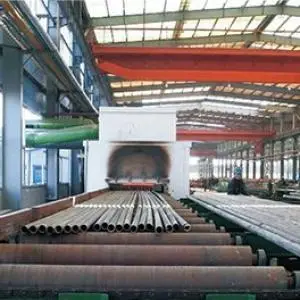
seamless steel tubes. Produced through processes such as piercing and rolling, without welds.
5. Differences in Core Performance Requirements:
- High Temperature Performance: Specifies high-temperature yield strength requirements (e.g., the minimum yield strength of A106 Gr.B at 204°C).
- Chemical Composition: Strict limits are placed on elements such as carbon, manganese, and silicon to ensure high-temperature performance and weldability. - Heat Treatment: Normalized or normalized and tempered condition is typically required for delivery to ensure uniform microstructure.
- Testing: Primarily focuses on room temperature tensile, flattening, flaring, and bending tests, as well as hardness.
6. Steel Grades and Classifications: Mainly divided into three strength grades:
- Gr. A (Yield strength ≥ 205 MPa)
- Gr. B (Yield strength ≥ 240 MPa)
- Gr. C (Yield strength ≥ 275 MPa)
7. Chemical Element Requirements: A 0.50% upper limit is placed on the total amount of residual elements (such as Cu, Ni, Cr, Mo, V) to prevent adverse effects on high-temperature performance.
8. Ordering and Selection Considerations: When the piping design temperature is higher than 200-250°C,
A106 should be given priority. It takes into account strength reduction at high temperatures and is a material approved by the ASME Boiler and Pressure Vessel Code.