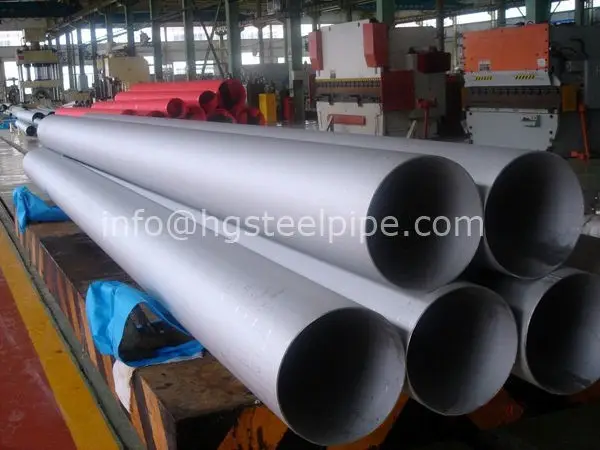
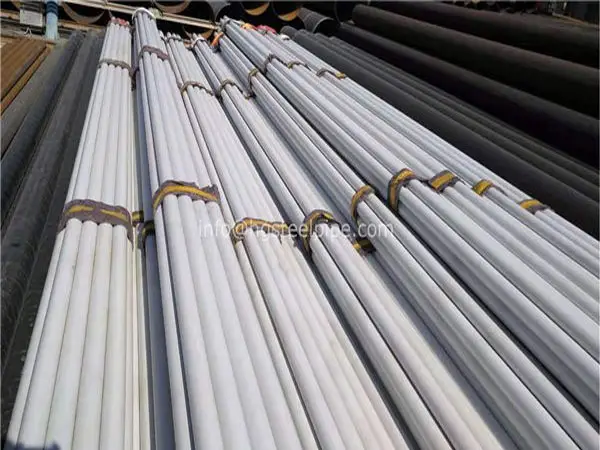
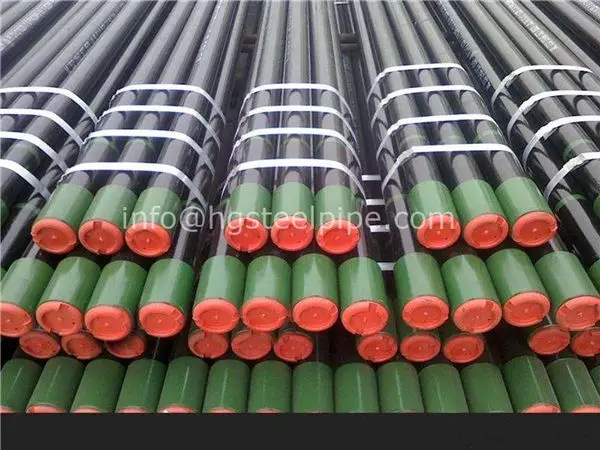
ASTM A53 is for "general purpose" piping, while ASTM A106 is for "high-temperature specific" piping.
Technical Differences Analysis
1. Scope of Application and Design Purpose
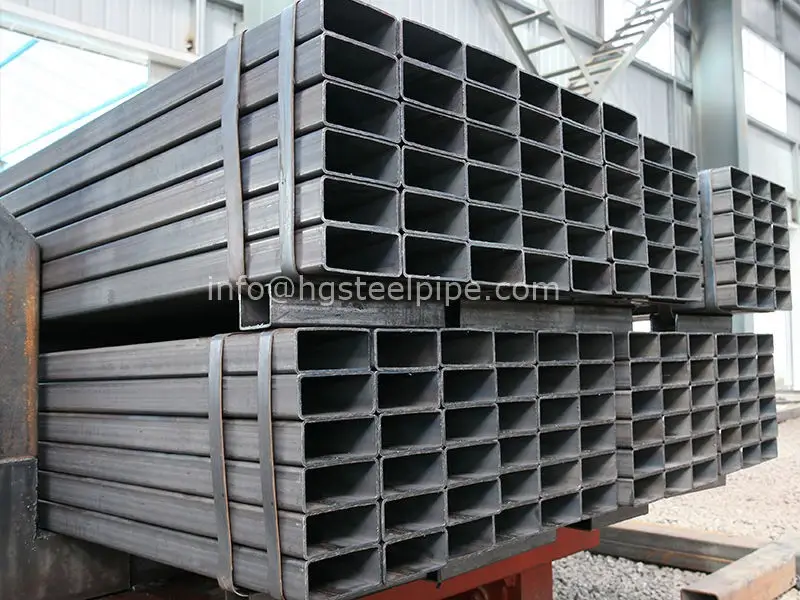
ASTM A53: Titled "Nominal Steel Pipes Uncoated and Hot-Dip Galvanized Welded and Seamless". It is designed for mechanical and pressure applications, as well as the transport of media such as steam, water, and air. It is also a widely used structural pipe standard (often interchangeable or compared with ASTM A500 structural pipe). Key point: It is not suitable for high-temperature conditions.
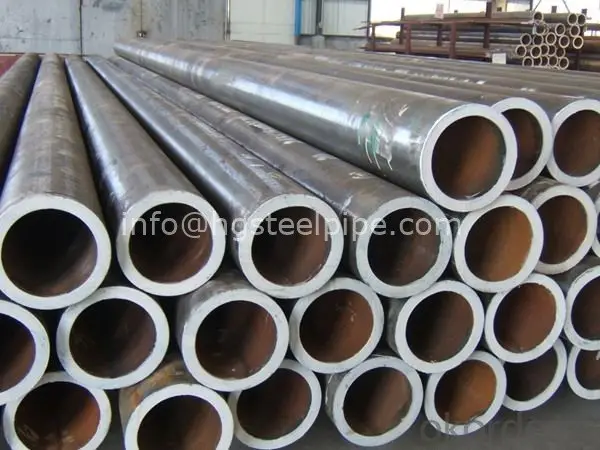
ASTM A106: Titled "Seamless Carbon Steel Pipes for High-Temperature Applications". As the name suggests, it is specifically designed for high-temperature services. The standard explicitly applies to boilers, superheaters, heat exchangers, and process piping systems operating at high temperatures. High-temperature performance is its core value.
2. Manufacturing Process
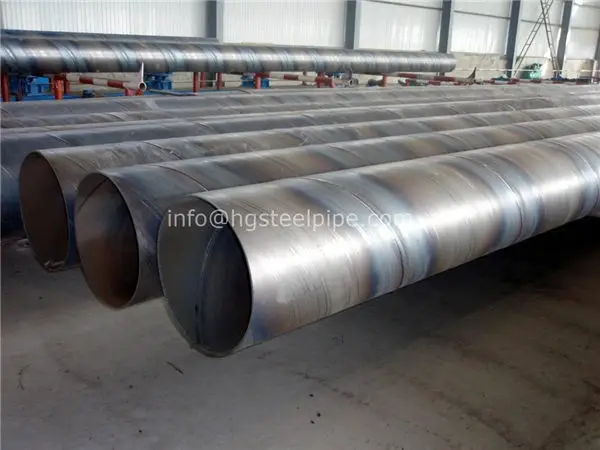
ASTM A53: Offers three types:
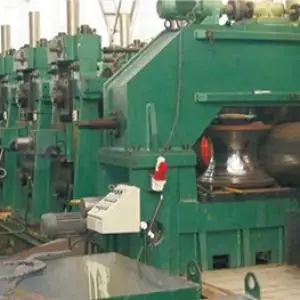
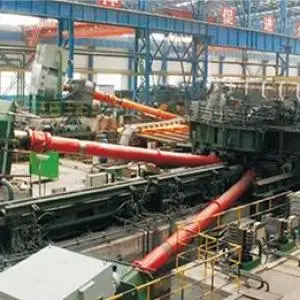
Type S - Seamless Pipe: Produced through piercing and rolling processes.
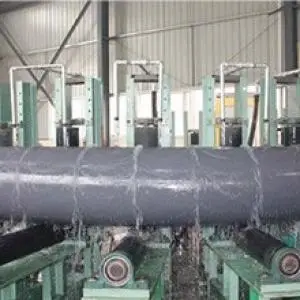
Type E - Resistance Welded Pipe: Formed by resistance welding of rolled sheet, without filler metal.
Type F - Continuous Furnace Welded Pipe: Welded by hot forming, typically used for low-pressure applications.
This versatility allows A53 to meet a wide range of cost-sensitive applications with less demanding operating conditions.
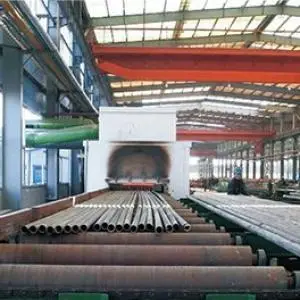
ASTM A106: Covers only seamless pipe. This is because welds are often weak points under high temperature and pressure, posing potential risks. Seamless construction provides better overall uniformity and reliability.
3. Chemical Composition and Mechanical Properties
Chemical Composition: Both are available in Grade A (low carbon) and Grade B (medium carbon). A106 additionally offers Grade C (medium-high carbon), with higher carbon and manganese content, resulting in higher strength. The chemical composition of Grade B in A53 is very close to that of Grade B in A106, but they are not simply equivalent.
Mechanical Properties:
Room Temperature Properties: Both have similar requirements for Grade B (e.g., minimum yield strength of 240 MPa or 35 Ksi), but Grade A requirements for A106 are higher than those for A53.
High Temperature Properties (Core Difference): The ASTM A106 standard appendix provides a table of minimum yield strengths at high temperatures (e.g., at 204°C/400°F, the minimum yield strength for Grade B is still 33.1 Ksi). ASTM A53, however, lacks such data, meaning it cannot be used for high-temperature piping designs based on standards such as ASME B31.
4. Heat Treatment Requirements
ASTM A53:
Seamless Pipe (Type S): Heat treatment may be required when the order specifies special processing such as cold bending.
Welded Pipe (Type E, F): Generally, full-body heat treatment (e.g., normalizing) is required to eliminate residual weld stress and refine the weld grain.
ASTM A106: All steel pipes must undergo heat treatment (usually normalizing or stress-relief annealing) after final forming. This is to ensure the uniformity and stability of the material structure to meet the stringent requirements of high-temperature service.
5. Testing and Inspection
Both require tensile testing, flattening testing, and expansive testing (for welded pipes).
Hydrostatic Testing: A53 allows non-destructive electrical testing (such as eddy current testing) to replace hydrostatic testing, especially for welded pipes. A106 typically requires hydrostatic testing, and the calculation formula for the test pressure is slightly different to ensure higher pressure-bearing reliability.
How to Choose: A53 or A106?
Choose A106: When the temperature of the medium being transported in the pipeline is significantly increased (e.g., exceeding 250°F/121°C), or when operating under combined high-pressure and high-temperature conditions. This is the preferred choice for process and power pipelines.
Choose A53: For transporting water, gas, air, and low-pressure steam at normal or low temperatures, or for use as mechanical or structural pipes. In cost-sensitive and mild operating conditions, A53 welded pipe is an economical and efficient choice.