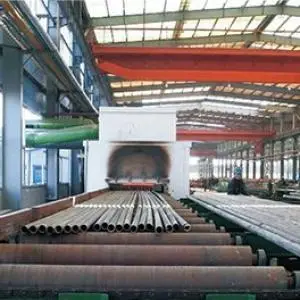
Cost Pressures and Peak Season Synergy: Steel Prices Show Strong Performance in April 2026
Date:2026-04-02
Entering April 2026, China's steel market shifted away from the moderate trend observed in the first quarter; driven by the dual forces of surging production costs and the seasonal release of demand, the market exhibited a distinct pattern of volatile rebounds and rising prices. Although the strength of the recovery in end-user demand remains to be fully validated, the combined impact of energy costs—spiked by international geopolitical tensions—elevated raw material prices, and improving domestic macroeconomic sentiment has significantly bolstered the price floor for steel in April. The market is currently transitioning from a state of "weak equilibrium" to a robust, "cost-driven" dynamic.
**Cost Side: Energy Price Surge Triggers Supply Chain Ripple Effects**
The primary engine behind this latest round of steel price increases is not a sudden surge in demand, but rather a systemic spillover of upstream production costs. Since late March, escalating geopolitical conflicts in the Middle East have driven a sharp rise in international oil prices—a shockwave that has rapidly propagated throughout global commodity markets.
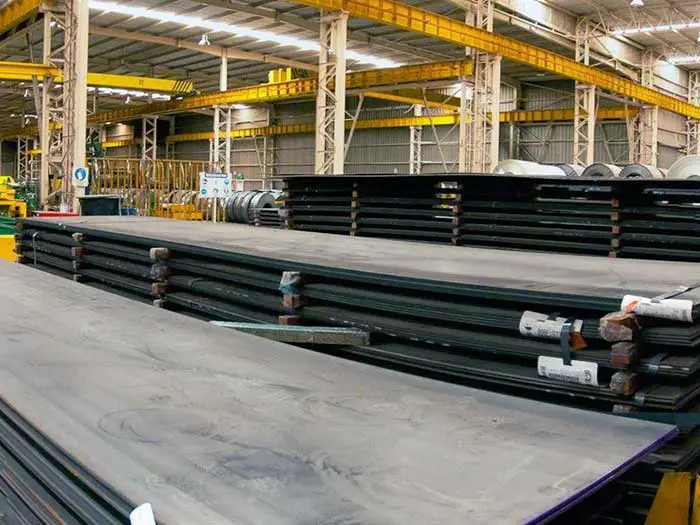
For the steel industry, these rising costs are transmitted through two primary channels: First, they directly inflate maritime shipping costs; freight rates for iron ore shipments from Brazil to China surged by over 30% at one point in March, significantly driving up the landed cost of iron ore. Second, they trigger an "energy substitution" effect; disruptions to natural gas supplies have compelled numerous nations worldwide to revert to coal-fired power generation, thereby directly boosting the prices of coking coal and coke. Data indicates that by the end of March, the per-ton production margin for rebar at domestic blast furnace steel mills had narrowed drastically to a mere 4 yuan/ton, while electric arc furnace (EAF) mills continued to operate at a loss (averaging -116 yuan/ton). Against this backdrop of severely squeezed profit margins, steel mills have demonstrated an exceptionally strong resolve to defend price levels, finding themselves compelled to raise ex-factory prices in order to pass on the mounting cost pressures. Baosteel Co., Ltd. has already taken the lead by announcing base price increases of 200 yuan/ton for April shipments of products such as hot-rolled coils and heavy plates.
**Supply Side: The Tug-of-War Between Resumption and Profitability—Limited Room for Supply Growth**
Although the traditional "Golden March, Silver April" peak season has fueled expectations of a resumption in blast furnace operations, the rapid escalation of raw material prices is currently constraining the profitability margins available to steel mills. Data indicates that as of March 26, the operating rate of domestic blast furnace steel mills stood at 75.72%. Although this represents a recovery from the preceding period, it remains 1.6 percentage points lower year-on-year. Entering April, while the scale of maintenance shutdowns at steel mills is expected to continue shrinking, the industry anticipates limited room for a significant increase in average daily hot metal output. This outlook stems from the fact that most steel mills are currently hovering near their break-even points—with some electric arc furnace (EAF) producers even operating at a loss. Consequently, the supply side is characterized by "recovery-driven growth rather than expansion-driven growth."
Furthermore, the steel industry's 2026 policy initiative to combat "excessive internal competition" continues to gain momentum. In January and February, domestic crude steel output declined by 3.6% year-on-year; this pattern of supply-side contraction has, to a certain extent, alleviated market concerns regarding overcapacity.
**Demand Side: Infrastructure Provides a Floor; Industrial Steel Shows Resilience**
As April begins and weather across the country warms, construction activity at work sites is intensifying, placing demand for construction-grade steel on an upward trajectory on a month-over-month basis. However, the drag from the real estate sector remains pronounced; in January and February, investment in real estate development fell by 11.1% year-on-year, accompanied by a substantial decline in the floor area of new project starts. This suggests that the recovery in demand for construction materials may be weaker than in previous years, relying more heavily on infrastructure investment to provide a stabilizing floor.
In contrast, the performance of industrial-grade steel has been more impressive. In March, China's Manufacturing Purchasing Managers' Index (PMI) rebounded to 50.4%, re-entering the expansionary zone. Steel demand across the automotive, home appliance, shipbuilding, and machinery sectors remains robust. Notably, driven by the global restructuring of energy markets and supply chains, there has been a marked increase in demand for steel structures and medium-to-thick plates. On the export front, despite facing certain trade frictions, geopolitical conflicts—which have curtailed steel production capacity in parts of the Middle East—have created a window of opportunity for Chinese steel exports.
**Market Outlook: Volatile Upside; Watch for Inventory Pressure**
Looking ahead to mid-to-late April, steel prices are expected to maintain a pattern of volatile yet generally upward movement.
On one hand, the fundamental logic of cost-side support is unlikely to dissipate in the short term. As long as the situation in the Middle East does not result in a definitive ceasefire agreement, energy prices will remain elevated; the continued strength of iron ore and coking coal prices will, in turn, provide rigid support for steel prices.
On the other hand, the market is not entirely free of underlying concerns. Currently, total social inventories of steel are running higher than levels observed during the same period last year, with hot-rolled coils, in particular, facing significant inventory pressure. Should future demand fail to materialize as expected—or if prices rise too rapidly, leading to diminished acceptance among downstream sectors—the market remains susceptible to a downward correction from its current elevated levels.