Specific Applications of Steel Pipes in Shipbuilding
Date:2025-12-25
I. Main Types and Standards
Shipbuilding steel pipes are mainly divided into two categories:
Structural steel pipes: Used to bear the main loads of the hull, they must meet the specifications of classification societies (such as CCS, DNV, ABS, LR, etc.), and are usually made of carbon manganese steel.
Pipeline system steel pipes: Used to transport various fluids. Depending on the medium, the material ranges from carbon steel and alloy steel to stainless steel, duplex steel, and even copper-nickel alloys.
Internationally accepted standards include ISO, ASTM, JIS, etc., but certification from the corresponding classification society is required.
II. Specific Application Scenarios
1. Hull Structure
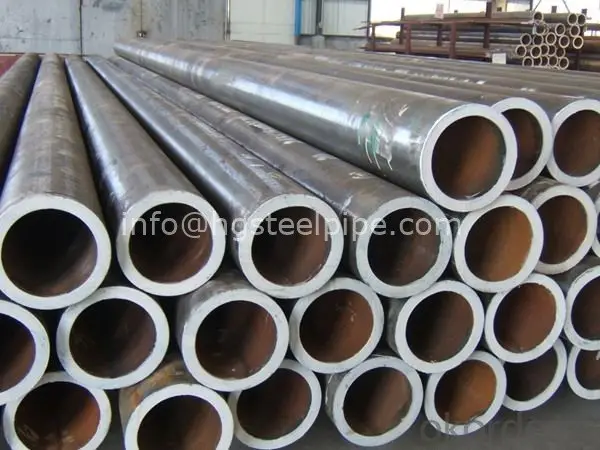
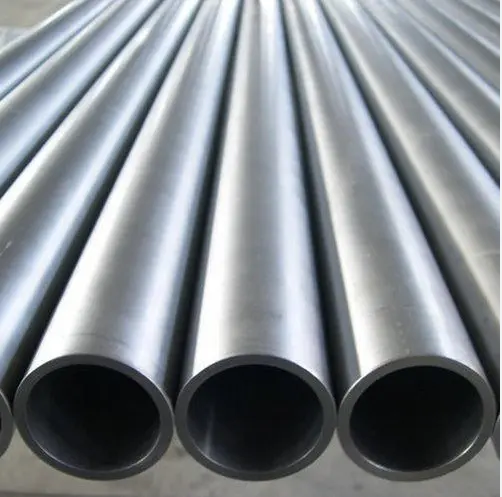
Engine Room and Bottom Structure: Seamless steel pipes or high-strength welded steel pipes are extensively used as supports and truss members to support the deck and platform, bearing the longitudinal bending and local loads of the ship. High yield strength and good compressive stability are required for the steel pipes.
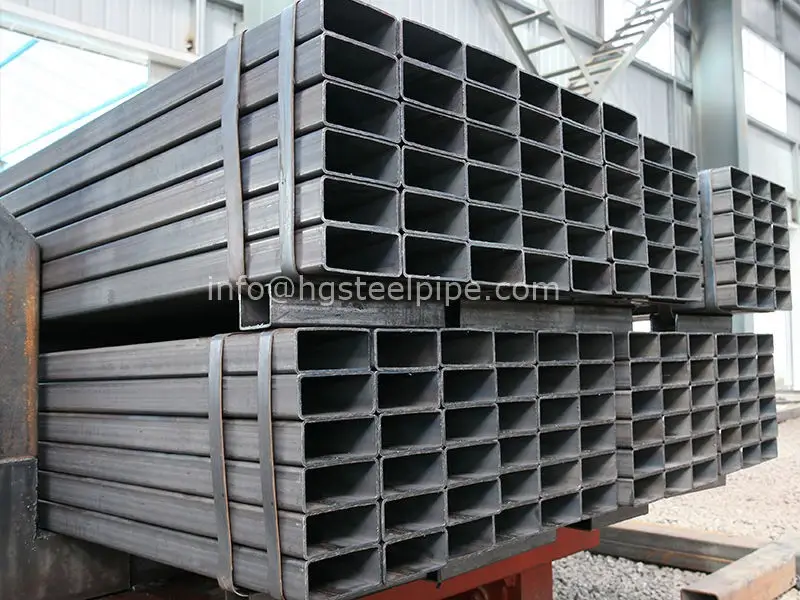
Superstructure: Columns and beams used for lightweight structures such as masts, ventilation ducts, and radar frames are mostly made of seamless or welded steel pipes, balancing strength and weight control.
Special Ship Structures:
LNG/LPG Carriers: The secondary shielding and support systems of the cargo containment system require austenitic stainless steel or nickel alloy steel pipes resistant to low temperatures (-196°C to -50°C) to ensure toughness under extreme temperatures.
Drilling Platforms and Offshore Vessels: Critical components such as legs, booms, and underwater pipe racks use large-diameter, thick-walled, high-strength steel pipes, requiring extremely high fatigue and impact resistance.
2. Power and Propulsion Systems
Boiler Tubes: Superheaters, reheaters, and evaporator tubes use high-pressure alloy steel pipes (such as Cr-Mo steel), which must maintain creep strength and oxidation resistance under high-temperature, high-pressure steam.
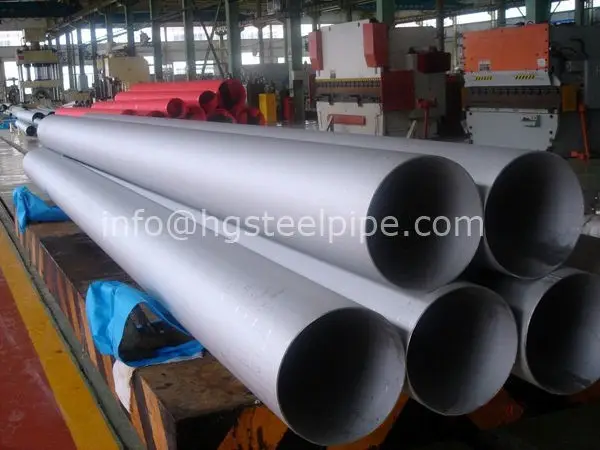
Exhaust Piping: The exhaust gas emission systems of the main engine and generators use heat-resistant stainless steel pipes or carbon steel pipes lined with refractory materials to resist high-temperature corrosive exhaust gases. 3. Marine Piping Systems
This is the area with the largest volume and most diverse types of steel pipes. Classified by system:
Fuel System: Transports heavy oil and diesel fuel, using seamless carbon steel pipes with internal anti-corrosion treatment to prevent sulfide corrosion.
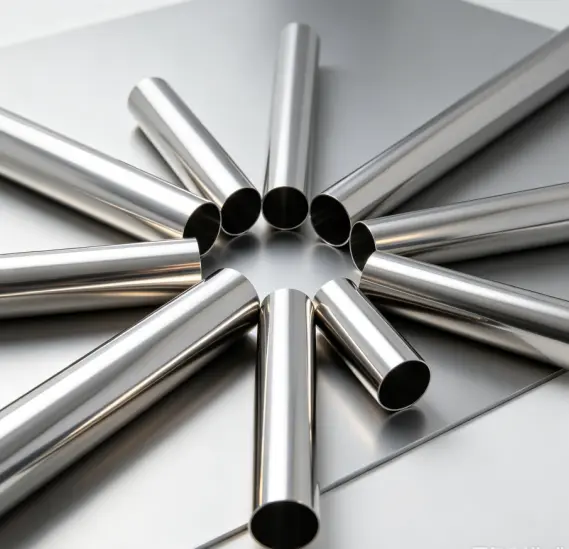
Lubricating Oil and Hydraulic Systems: Requires extremely high cleanliness and sealing, often using precision seamless carbon steel or stainless steel pipes.
Seawater Cooling System: Contacts corrosive seawater, commonly using seawater-resistant copper-nickel alloy pipes (such as CuNi 90/10, 70/30) or internally plastic-coated carbon steel pipes. Sacrificial anode protection is often used in conjunction with this.
Fresh Water and Domestic Water Systems: Galvanized steel or stainless steel pipes are common choices to ensure drinking water hygiene.
Fire Protection System: Main fire protection pipes use seamless carbon steel pipes, requiring high pressure resistance; welded pipes conforming to specifications can be used in some areas.
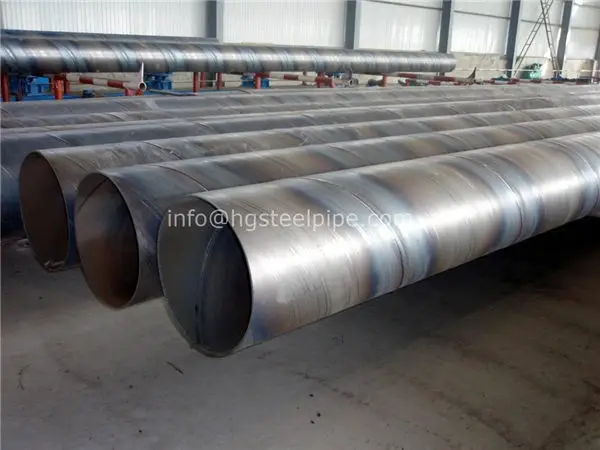
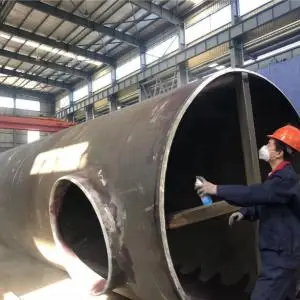
Ballast System: Transports seawater, using large diameter pipes with sufficient strength carbon steel welded pipes, requiring heavy-duty anti-corrosion coatings on both the inside and outside.
Ventilation System: Air conditioning and mechanical ventilation ducts can utilize galvanized thin-walled welded steel pipes.
Oil Tanker System: For transporting crude oil or refined oil, high-strength carbon manganese steel pipes are used, possessing excellent resistance to sulfide stress corrosion cracking.
4. Other Key Components
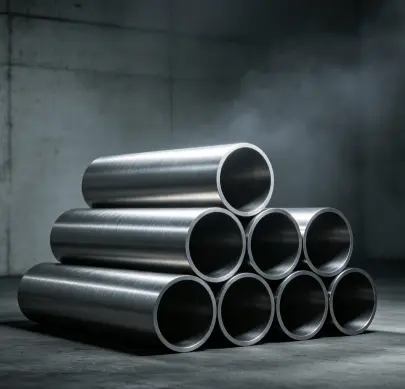
Rudder Stock and Stern Shaft: The rudder stock and propeller stern shaft of large ships may be manufactured from large-diameter, thick-walled seamless steel pipes.
Safety Facilities: Guardrails, handrails, escape route supports, etc., mostly utilize galvanized welded steel pipes, emphasizing weather resistance and safety.
III. Key Performance and Technical Requirements
Mechanical Properties: Meets the yield strength, tensile strength, elongation, and impact energy (especially low-temperature impact toughness) specified by the classification society.
Corrosion Resistance: Material, coating (galvanized, plastic-coated), or cathodic protection scheme is selected based on the service environment (seawater, atmosphere, chemicals, high temperature).
Process Performance: Possesses good cold bending, hot bending, welding, and flaring capabilities to ensure on-site construction quality.
Dimensional Accuracy and Surface Quality: Strict dimensional tolerances ensure smooth assembly, while smooth inner and outer surfaces reduce fluid resistance and corrosion initiation points.
Non-destructive Testing: Critical steel pipe components undergo ultrasonic, eddy current, or X-ray testing to ensure the absence of internal defects.