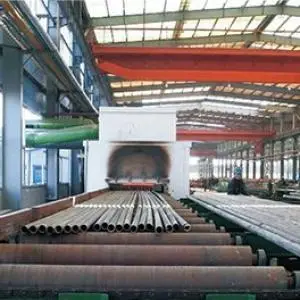
I. Pipes for Hull Structure
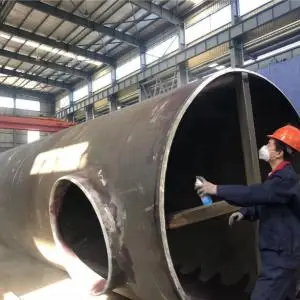
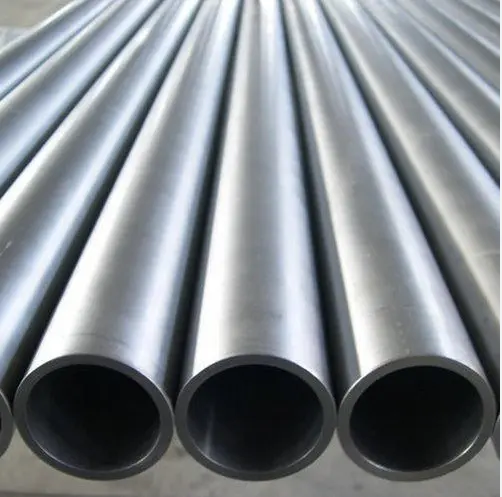
These steel pipes are mainly used for hull support and frame construction, requiring extremely high strength, toughness, and corrosion resistance.
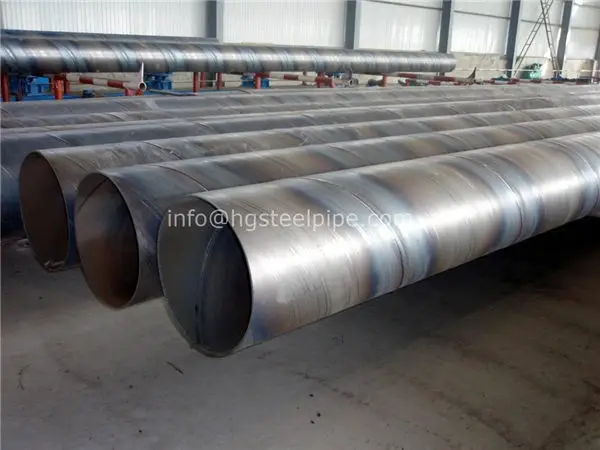
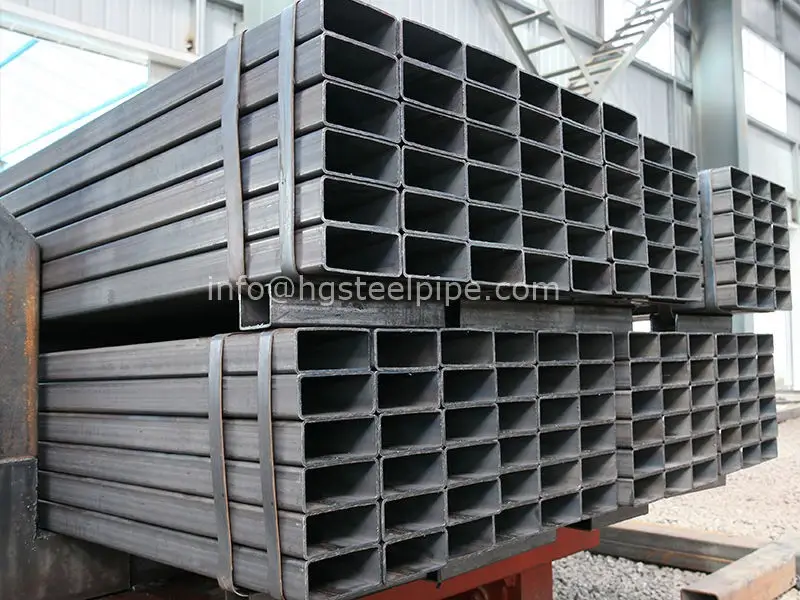
Rib and Frame Pipes: In modern ships, especially yachts, small cargo ships, and superstructures, round or rectangular steel pipes are often used as ribs, rib plates, and keels, forming the basic shape of the hull and evenly distributing the stress on the hull.
Masts and Lifts: Ship masts, lifting booms (such as cranes), and crane arms are typically made of high-strength seamless steel pipes. They need to withstand enormous bending and compressive loads while maintaining a relatively light weight.
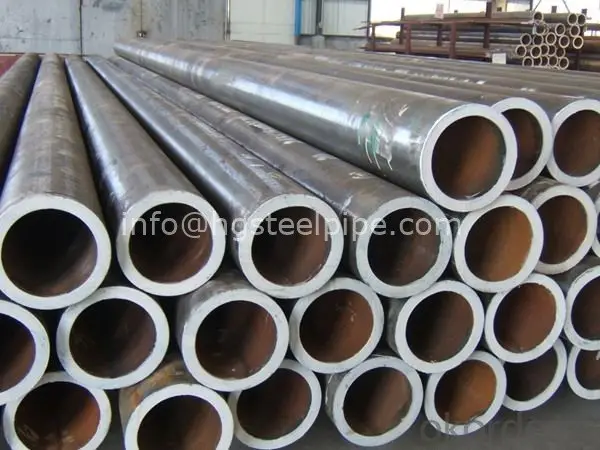
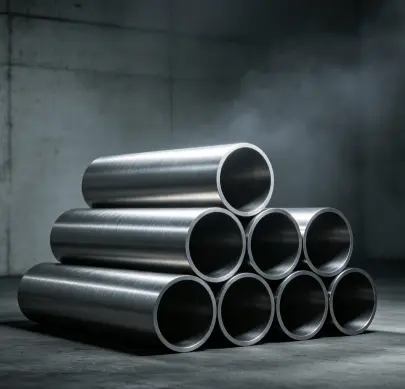
Pillars and Deck Supports: In large spaces such as cargo holds and engine rooms, thick-walled steel pipes are often used as pillars to support the deck and prevent it from collapsing due to cargo weight or external pressure.
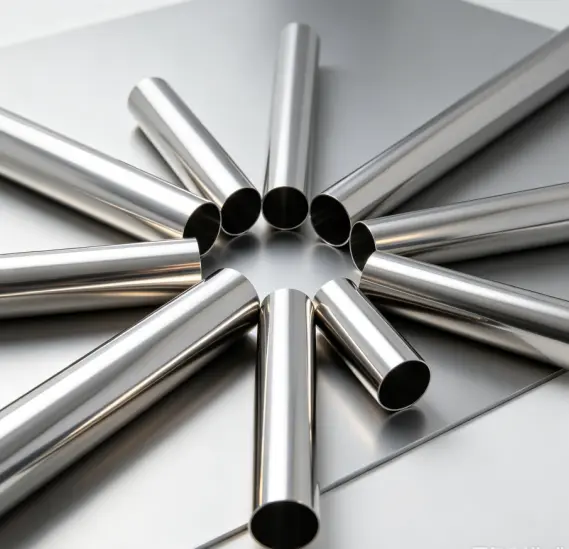
Guardrails and Safety Structures: Guardrails, gangways, and walkways around the ship are usually made of galvanized steel or stainless steel pipes, providing both safety protection and resistance to marine atmospheric corrosion. II. Piping for Marine Systems
This is the most widespread and complex application of steel pipes. Depending on the medium being transported, different requirements apply to the material, manufacturing process, and corrosion resistance of the
steel pipes.
1. Power System
Fuel System: Transports heavy oil, diesel fuel, etc. Steel pipes must be oil-resistant and pressure-resistant, and the interior is frequently specially cleaned to prevent contamination.
Lubrication System: Transports lubricating oil to the main engine, auxiliary engines, bearings, etc. High pipe cleanliness and smooth inner walls are required to ensure oil purity.
Cooling System:
Seawater Cooling Pipes: Directly draws seawater to cool various equipment. Materials with extremely high seawater corrosion resistance must be used, such as copper-nickel alloy pipes (e.g., CuNi90/10, CuNi70/30), duplex stainless steel pipes, or carbon steel pipes with an anti-corrosion coating.
Freshwater Cooling Pipes: Form a closed-loop system to cool the engine body. Carbon steel or stainless steel pipes are commonly used.
Compressed Air System: Transports compressed air for starting the main engine, sounding the horn, etc. The steel pipes must be able to withstand high pressure and handle internal condensation.
Exhaust Piping: The engine's exhaust pipes must use high-temperature alloy steel (such as heat-resistant stainless steel) and include expansion joints to compensate for thermal expansion and contraction.
2. General Marine Systems
Ballast System: Controls ship stability and draft by adjusting ballast water. The piping is large-diameter and runs through various ballast tanks. Heavily corrosion-resistant carbon steel pipes (such as epoxy coatings or sacrificial anodes) or special alloy pipes must be used to withstand seawater corrosion and silt abrasion.
Firefighting System:
Fire Main Pipe: Circulates throughout the ship, providing firefighting water. Typically made of galvanized carbon steel pipes to ensure long-term reliability.
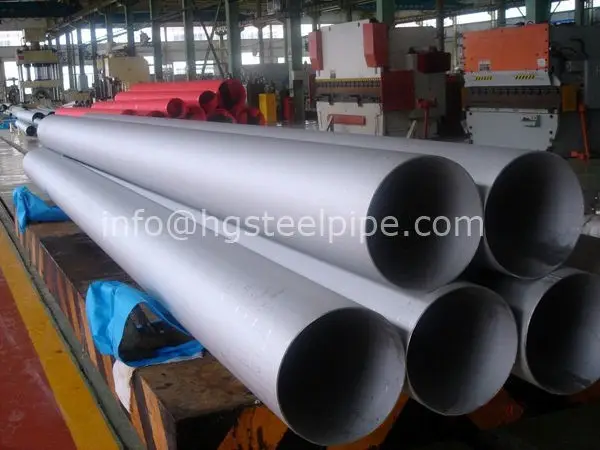
Sprinkler System: Stainless steel pipes are used in critical areas such as passenger ships and engine rooms.
Bottom Water System: Collects and drains water accumulated at the hull. The piping environment is harsh, requiring resistance to corrosion and clogging.
Domestic Water System:
Freshwater System (Drinking Water, Laundry Water): Increasingly using food-grade stainless steel pipes (such as 316L) to ensure water quality hygiene.
Sanitary Water System (Sewage, Black Water): Commonly uses PVC or special stainless steel pipes, which are corrosion-resistant and easy to clean.
Ventilation System: Used for cabin ventilation and equipment room ventilation. Galvanized steel ducts are typically used, but stainless steel pipes are used in humid or corrosive areas (such as galleys and bathrooms).
Hydraulic System: Drives steering gear, hatch covers, cranes, etc. Uses high-strength seamless precision steel pipes, requiring extremely smooth, clean, and leak-free inner walls to ensure hydraulic oil cleanliness and stable system pressure.
3. Cargo Handling System (Specialized Vessels)
Liquid Cargo Ships (Oil Tankers, Chemical Tankers): The cargo oil pipes and tank cleaning pipes in the cargo holds are the core, and special steels, such as stainless steel, duplex steel, or even nickel-based alloys, must be selected based on the corrosiveness of the transported medium (such as acidic crude oil and chemicals). Loading arms on deck are also constructed from high-pressure seamless steel pipes.
Liquefied Gas Carriers (LNG, LPG Carriers): Pipelines transporting cryogenic (-162°C) liquefied natural gas must use specialized materials with excellent low-temperature toughness, such as austenitic stainless steel (304L, 316L) or Invar steel.
Bulk Carriers: Hatch cover opening/closing is typically driven by large hydraulic cylinders and steel pipe circuits.
III. Special and High-Tech Applications
Warships and High-Performance Ships: High-strength low-alloy steel and duplex stainless steel pipes are widely used to reduce weight and improve impact and corrosion resistance. Pipeline design must also consider stealth (reducing infrared and magnetic signatures).
Subsea Doors and Outboard Pipes: Inlets and outlets, which are in direct contact with seawater, are the most severely corroded areas and are typically made of copper-nickel alloys, nickel-aluminum bronze, or super duplex stainless steel.
Heat Exchanger Tubes: Heat exchanger tube bundles in equipment such as boilers, condensers, and central coolers require extremely high thermal conductivity and corrosion resistance, and are commonly made of copper alloy tubes or titanium tubes.
Steel Pipe Material Selection and Technical Points
Materials: Carbon steel, galvanized carbon steel, stainless steel (304, 316/L), copper-nickel alloy, duplex steel, nickel-based alloy, etc.
Processes: Seamless steel pipes (high pressure, critical systems), welded steel pipes (low pressure, large diameter systems).
Standards: Strictly adhere to the specifications of various classification societies (such as CCS China, DNV Norway, ABS USA, LR UK) to ensure that materials, manufacturing, and testing meet the stringent requirements of ship navigation.
Corrosion Protection: Coating (epoxy resin, galvanizing), lining, cathodic protection, and the inherent corrosion resistance of the material.