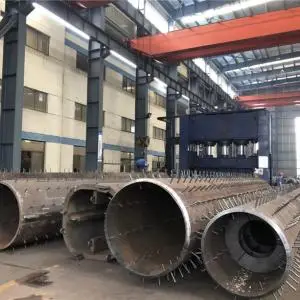
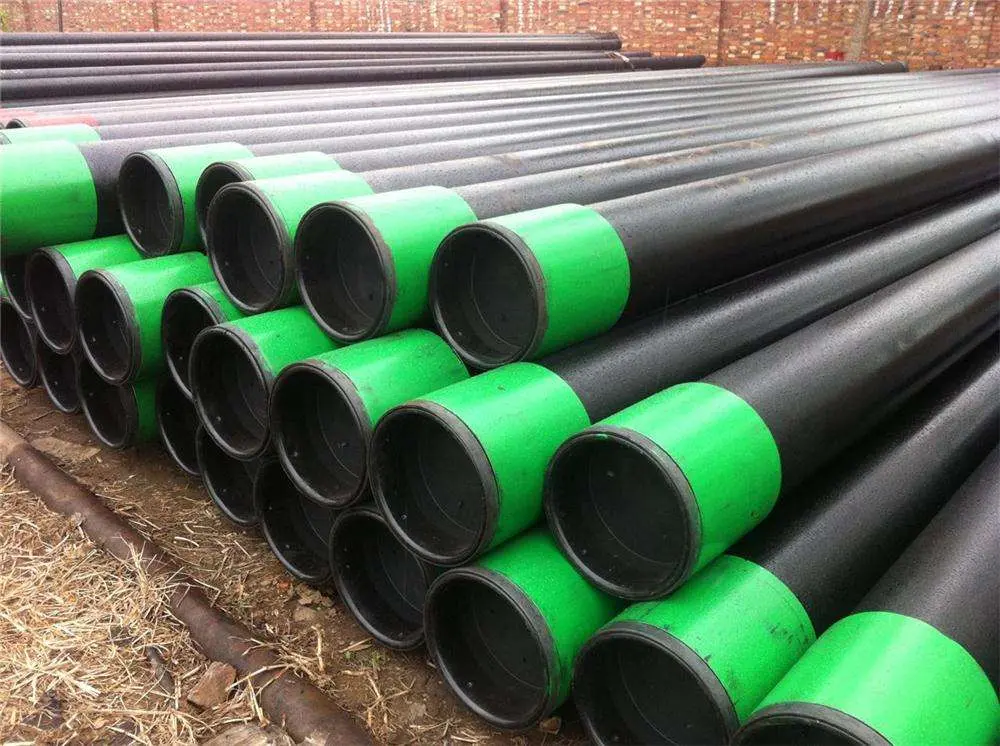
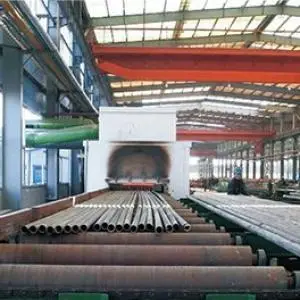
Spiral pipe piles are
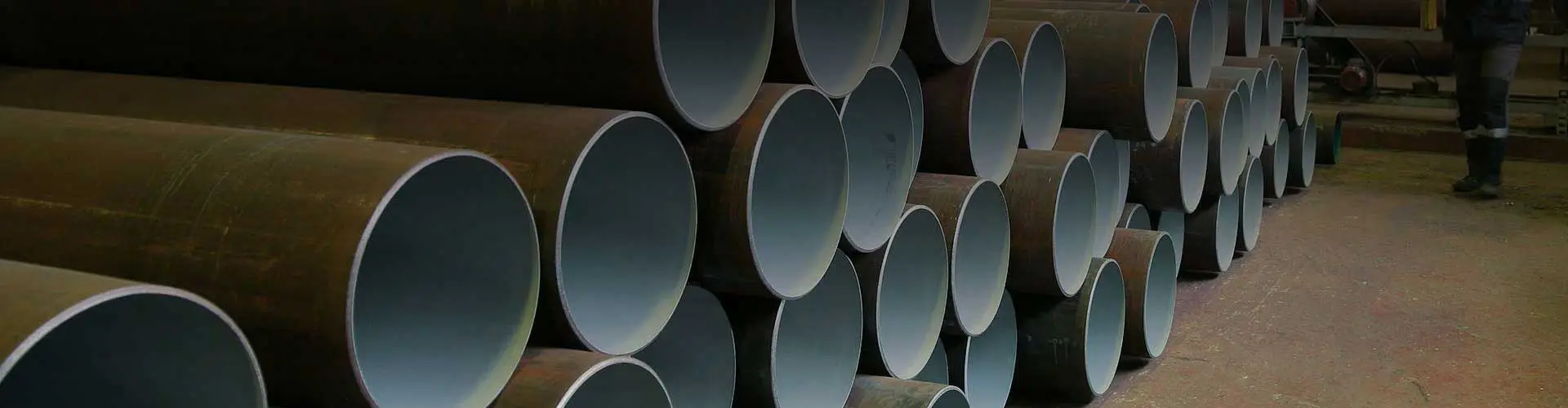
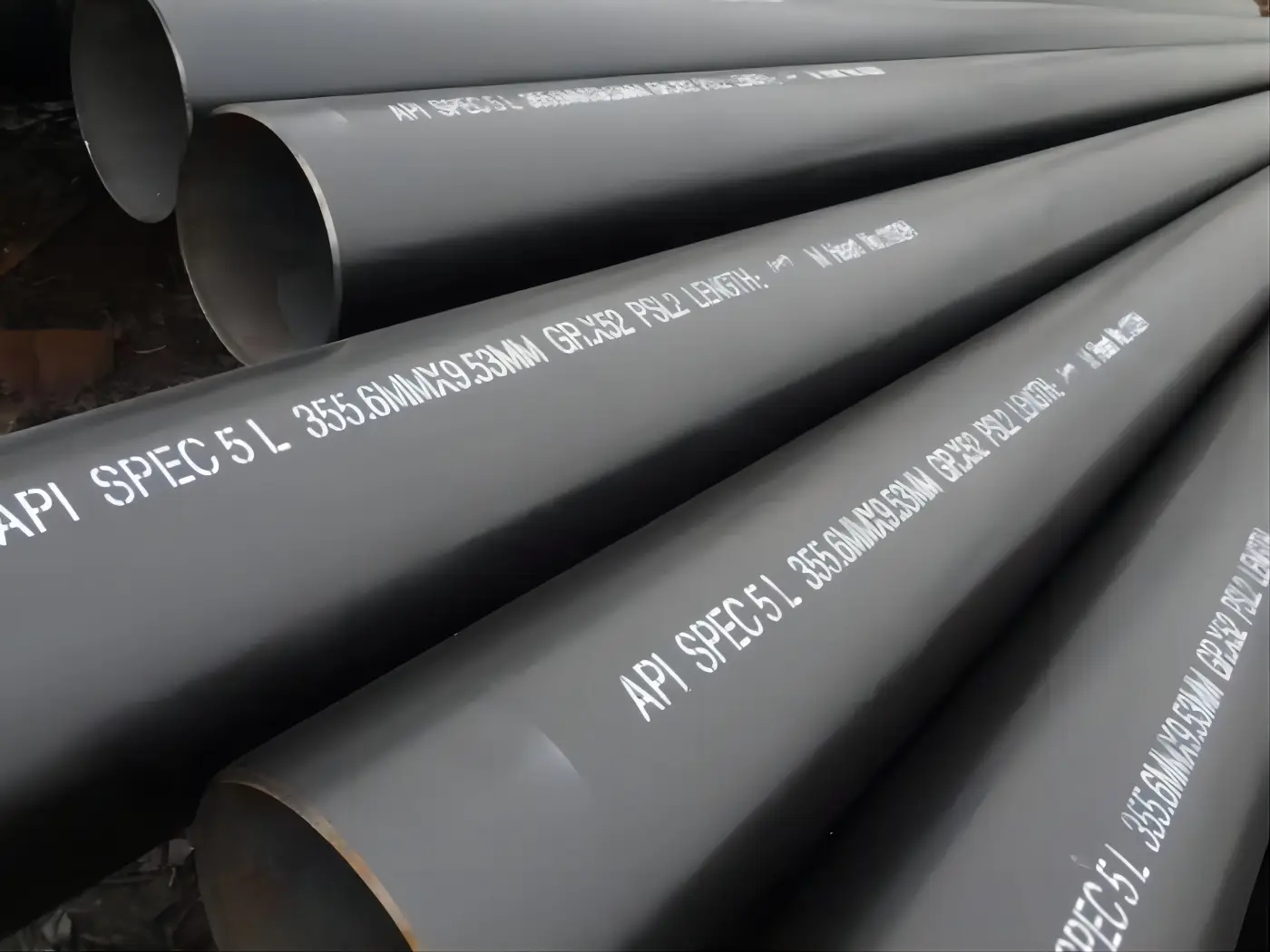
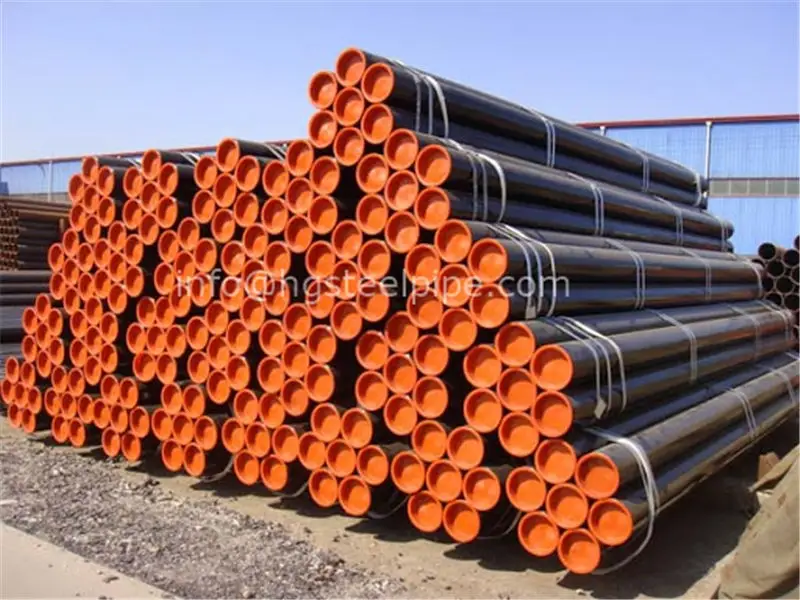
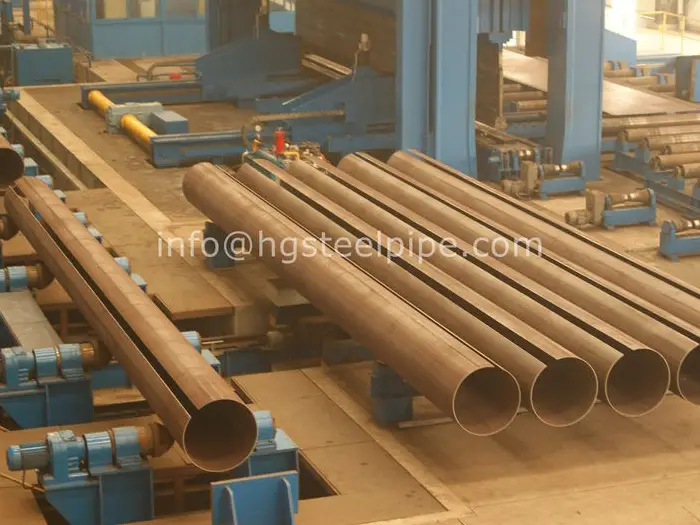
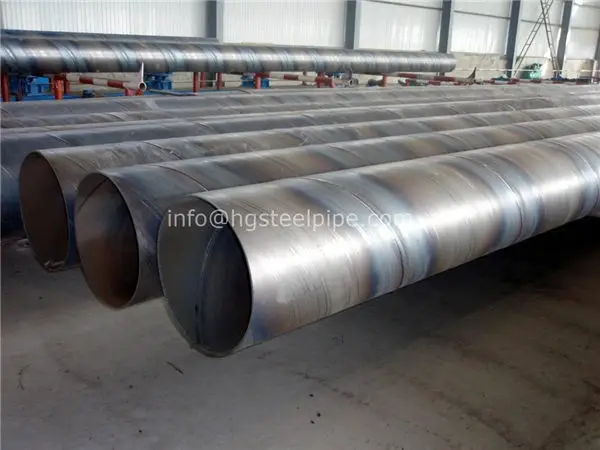
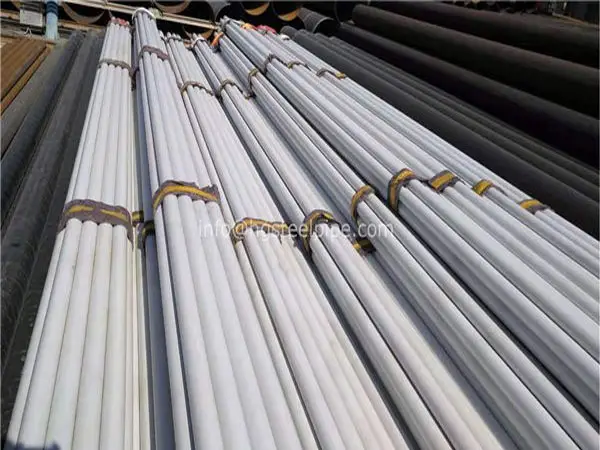
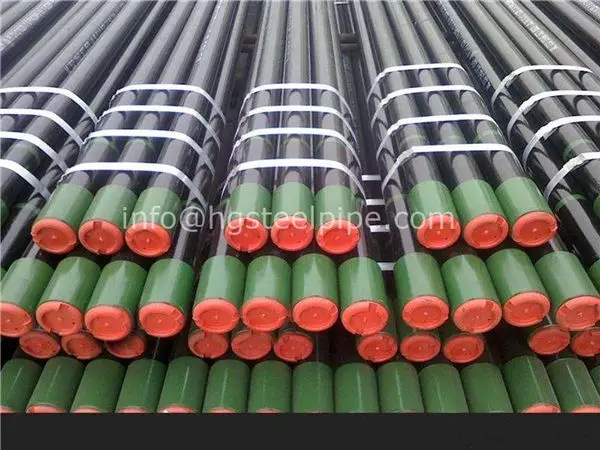
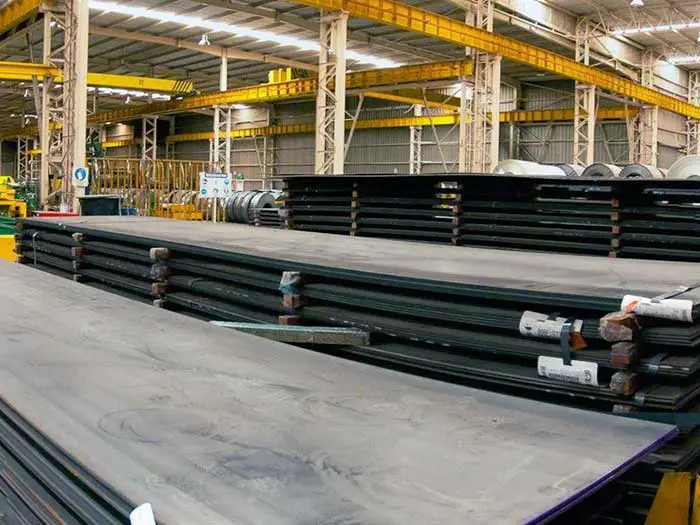
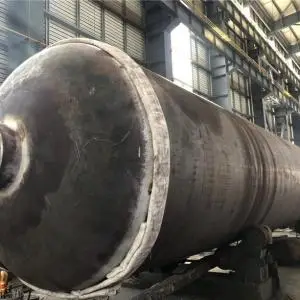
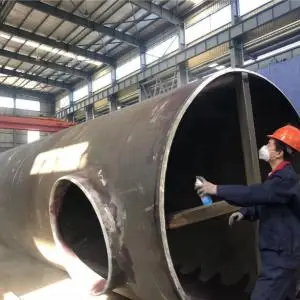
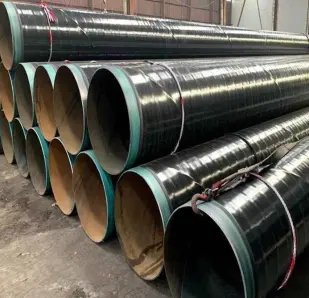
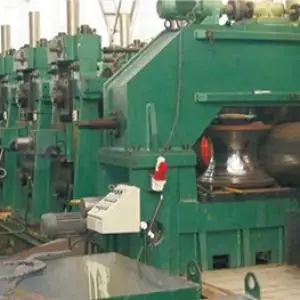
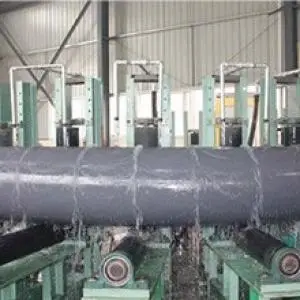
steel pipe piles manufactured using a spiral welding process. Advanced welding technology is employed to roll steel plates into a tubular structure with a continuous spiral weld seam. Compared to traditional straight-seam pipe piles, their application in pile foundation engineering is rapidly expanding, becoming an important technical means to solve complex geological conditions and demanding engineering requirements.
I. Unique Engineering Characteristics of Helical Pipe Piles
1. Structural Performance Advantages
High Strength and Uniformity: Continuous helical welds result in more uniform stress distribution, reducing local stress concentration.
Excellent Diameter-to-Thickness Ratio: The diameter and wall thickness ratio can be flexibly adjusted according to project needs.
Excellent Bending Performance: The helical structure provides multi-dimensional load-bearing capacity, particularly suitable for situations with large horizontal loads.
2. Material and Manufacturing Characteristics
Q235B, Q355B, and higher strength steels can be used in this
pile pipe.
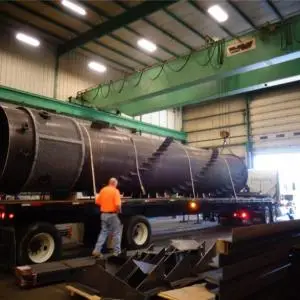
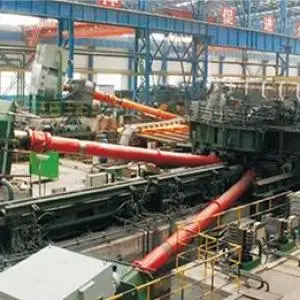
Factory prefabrication ensures quality control and facilitates on-site construction.
Surface can be treated with anti-corrosion coatings (such as hot-dip galvanizing and epoxy coating) to extend service life.
II. Main Application Forms in Pile Foundation Engineering
1. Micropile and Anchor System
Used for reinforcing existing building foundations and stabilizing slopes.
Diameter is typically 150-400mm, and length can be flexibly adjusted as needed.
Low construction vibration, suitable for urban areas and areas near sensitive buildings.
2. Friction piles and end-bearing piles:
In soft soil areas, they function as friction piles, transferring loads through side friction.
In rock or hard soil layers, they can function as end-bearing piles, transferring loads to deeper, firmer soil layers.
Pile length and diameter can be flexibly designed based on geological survey data.
3. Composite piles and composite foundations:
Forming composite pile foundations with cement-soil mixing piles and cast-in-place concrete piles.
Serving as core reinforcement components to improve overall bearing capacity.
Particularly suitable for soft soil foundation treatment.
4. Temporary supports and retaining structures:
Columns and support components in foundation pit support systems.
Connecting and reinforcing components for sheet pile walls.
Fast construction speed, reusable, and significantly economical.