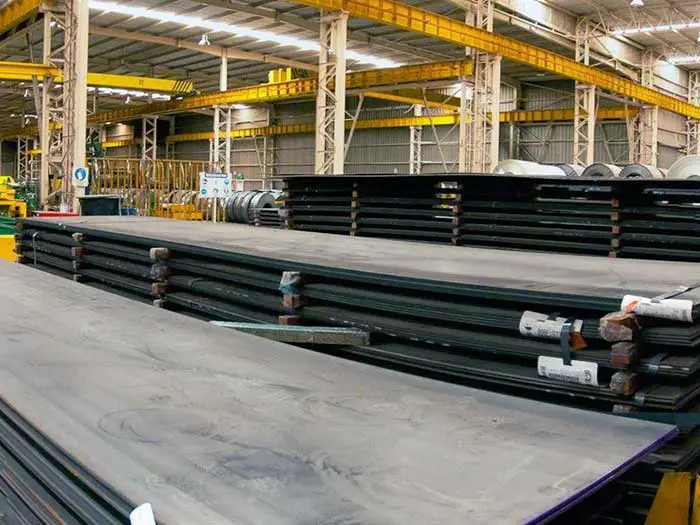
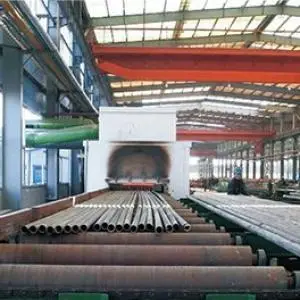
Stainless steel's dominant position in the food industry stems from its series of irreplaceable superior properties:
Excellent Corrosion Resistance: Food environments are complex, often involving corrosive media such as water, acids (such as glycolic acid and acetic acid), alkalis, and salts. Chromium, a key alloying element in stainless steel (typically ≥10.5%), forms an extremely thin yet exceptionally dense and stable chromium oxide film (passivation film) on its surface. Even after mechanical damage, it can self-repair, effectively resisting corrosion and rust, and preventing metal ion contamination of food.
Extremely High Hygiene and Cleanability: The smooth, dense, non-porous, and crack-resistant surface of stainless steel leaves no place for microorganisms and dirt to hide, making it extremely easy to thoroughly clean and disinfect. This perfectly meets the stringent hygiene requirements of food processing, effectively preventing cross-contamination.
Excellent Mechanical Properties: Possessing good strength, hardness, and toughness, it can withstand the impact, pressure, wear, and frequent cleaning operations during processing, ensuring long-term reliable operation of equipment.
Chemical Stability and Inertness: Remains stable over a wide temperature and pH range, does not chemically react with food components, does not migrate harmful substances, and does not adsorb or alter the original flavor and color of food, ensuring food purity and safety.
High and Low Temperature Resistance: Can withstand the high temperatures required for cooking and sterilization (some models can be used continuously in environments from -196°C to 800°C), and is also suitable for freezing and refrigeration, meeting the temperature requirements of the entire food processing chain.
Aesthetics and Environmental Friendliness: Modern and clean appearance, meeting consumers' psychological expectations for the food environment. It is also 100% recyclable, aligning with the concept of sustainable development.
Wide Applications: Used throughout the entire "from farm to table" chain.
Stainless steel applications cover almost every stage of the food lifecycle:
Food Processing and Manufacturing:
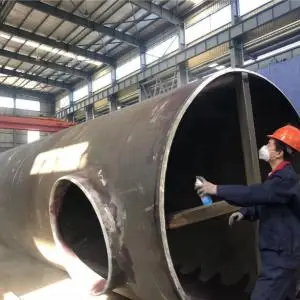
Main Equipment: Mixing tanks, fermentation tanks (beer, yogurt), cooking pots, pasteurizers, concentrators, baking production lines, conveyor belts, piping and valve systems, etc. Its hygienic design facilitates CIP (clean-in-place) processes, greatly improving efficiency.
Typical Cases: In dairy plants, stainless steel equipment is used throughout the entire process, from milk collection and pasteurization to bottling; in the brewing industry, fermentation tanks and storage tanks must be made of food-grade stainless steel to ensure the purity of the wine.
Food Service and Commercial Kitchens:
Cooking Equipment: Stoves, oven liners, steamers, fryers, workbenches, cabinets, sinks.
Storage and Food Preparation: Refrigerators, freezer liners, insulated food carts, preparation tables, tableware sterilizers.
Bars and Beverages: Coffee machines, ice cream machines, juicers, milkshake machines, beer dispensing systems. Rapid cooling and cleaning characteristics are particularly important.
Food Storage and Transportation:
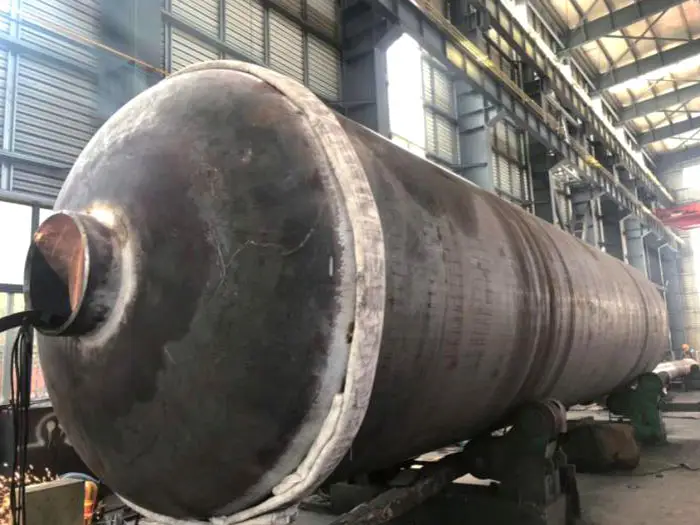
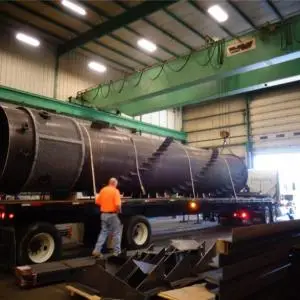
Storage Tanks and Containers: Large vertical/horizontal storage tanks (for oil, wine, juice, grains), mobile hoppers, barrels, tanks.
Transportation Vehicles: Tank trucks (milk, edible oil, wine), refrigerated containers, food holds on ships, freight pallets.
Household kitchen utensils:
Pots, kettles, knives, forks, spoons, bowls, basins, sinks, range hoods, cabinet pull-out baskets, etc. These are the most common and widely used applications.
Key materials: 304 and 316 are the mainstream.
Among the many stainless steel grades, two types of austenitic stainless steel have become the absolute mainstay in the food industry:
304 stainless steel (corresponding to Chinese grade 06Cr19Ni10): Contains 18-20% chromium and 8-10.5% nickel. It has excellent corrosion resistance, meeting the requirements of most food contact environments, and is the most widely used "food-grade stainless steel".
316 stainless steel (corresponding to Chinese grade 06Cr17Ni12Mo2): Based on 304, 2-3% molybdenum has been added. Molybdenum significantly enhances its resistance to pitting corrosion and crevice corrosion caused by chlorides (such as table salt) and various organic and inorganic acids. It is especially suitable for areas with high salt and high acid environments (such as soy sauce, vinegar, and seafood processing) or areas where disinfectants (such as chlorine-containing disinfectants) are frequently used.